



How To Fix Car Scratches With A Few Simple Methods?
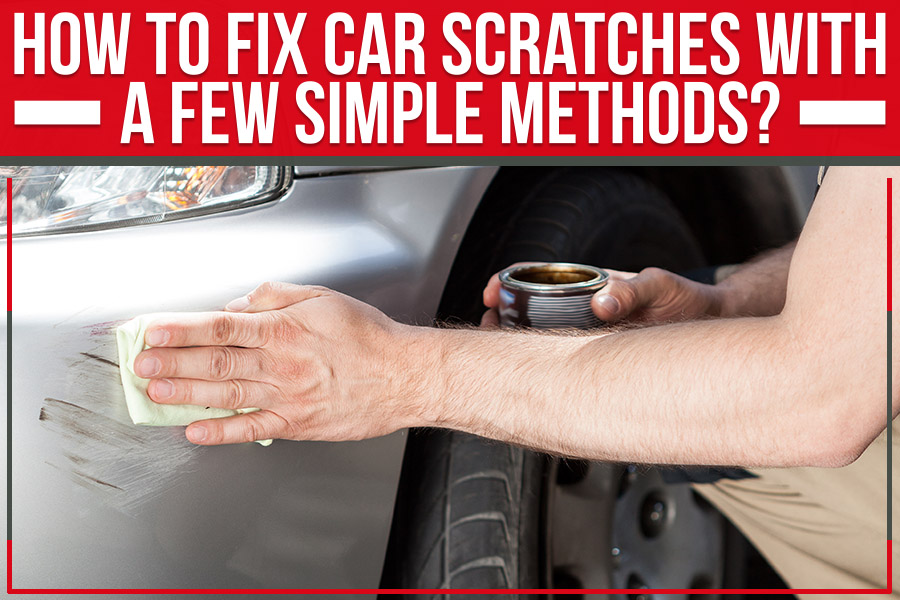
How frustrating is it when you get a new car, and the very first week, there’s a scratch on it? It seems like no matter how careful you are, scratches always find a way to appear. But don’t worry – we’ve got your back and will help you fix these car scratches.
Brownsville Toyota is a leading dealership and service center in the Brownsville, TX, region. We can help you with all your Toyota car needs and services. This blog post will show you some simple methods for fixing car scratches and some tips to prevent them. So read on and get started repairing those unsightly marks!
How To Prevent Car Scratches?
The best way to fix car scratches is to prevent them from happening in the first place. There are a few ways you can do this:
- Wash your car regularly – This will remove any dirt or debris that could cause a scratch.
- Wax your car – This will create a barrier between your paint and the outside world, making it more resistant to scratches.
- Park in covered parking – This will protect your car from the elements and reduce the risk of scratches caused by flying debris.
- Use touch-up paint – If you have a small scratch, you can use touch-up paint to cover it up. It is a quick and easy fix that can help prevent the scratch from worsening.
- Use a car cover – This will protect your car from scratches caused by tree branches, animals, and other things that could potentially scratch your paint.
Ways To Fix Car Scratches
If you’re looking for ways to fix car scratches, you’ve come to the right place. There are some ways to fix scratches on your car, and we’re going to discuss some of the most popular methods.
-
Use The Scratch Remover Tools
One of the most popular methods for fixing car scratches is to use a scratch remover tool. These tools are designed to remove scratches from your paint without damaging the underlying paint.
They work by gently sanding away the top layer of paint, which contains the scratch. Once the top layer of paint is removed, the scratch will be gone.
-
Using Toothpaste
Another popular method for fixing car scratches is to use toothpaste. Toothpaste contains a mild abrasive that can remove the top layer of paint, which will remove the scratch.
-
Using Polishing Compound
A polishing compound is another popular method for fixing car scratches. Polishing compounds contain abrasives that will remove the top layer of paint, which will remove the scratch.
So, whether your car has a few scratches or it’s covered in them, don’t fret. There are plenty of ways to remove these car scratches and have your vehicle looking good as new in no time at all.
All you need is the right tools. And if you don’t feel like tackling the job yourself, our team at Brownsville Toyota, serving Brownsville, TX, would love to assist.
Schedule a service today, and let us take care of everything!
Crystal Clear Reasons For Steamy Car Windows!
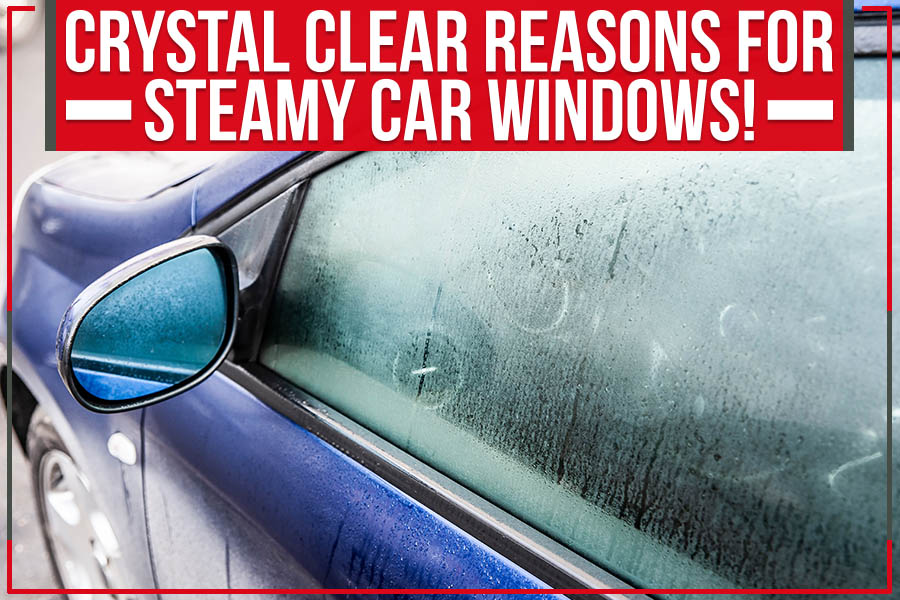
Did you know that there is a reason why your car windows are often foggy, even on relatively mild days? Condensation forms on surfaces when warm air meets colder air. It can happen inside your car when the AC is running and the warm air hits the cold glass of the window. You may also observe condensation forming on the outside of your car windows when it’s cold and damp outside.
This blog post will explore what causes condensation on car windows and offer some tips on controlling it.
Causes of Condensation:
Tracking the causes of car condensation can be a challenge. However, if it is a recurring problem, there are some potential causes to consider.
Leaking or Cracked Windows:
One potential cause of condensation in your car is a leak in the seal around your windows. Over time, the sealant that keeps water and air from entering your vehicle through the windows can deteriorate. It can lead to leaks that allow moisture inside your car. It can cause the windows to fog up, especially in humid weather.
Another potential cause of condensation on your windows is a crack in the glass. A small crack may not seem like a big deal, but it also allows moisture.
Yesterday’s Coffee:
We all enjoy a nice and warm cup of coffee in the morning, but if you forget to throw away your cup before getting out of the car, it can cause condensation on your windows.
The residues of sugar and caffeine in these drinks can act as a natural humidifier. When they warm up in your car, they release moisture into the air. The dampness trapped inside the vehicle might condense on your glass and dashboard.
Anything and Everything Damp:
Another potential cause of condensation is anything else that’s damp. If you leave a wet umbrella, raincoat, or even a damp towel in your car, it can add moisture to the air and lead to car window fogging.
Anything that adds moisture to the air inside your car can lead to condensation on the windows. It includes your freshly bathed dog.
Heater Core Trouble:
In the worst case, window condensation could be a sign of trouble with your car’s heater core. If coolant is leaking from the heater core, it can cause the windows to fog up. You can easily detect it if that’s the case. The glass will usually feel greasy to the touch. There will be a sweet or glycol-like odor throughout the interior.
A heater core is a small radiator-like device part of your car’s heating and cooling system. It’s located under the dashboard, usually on the passenger side.
Controlling Condensation:
If your windows are fogging up, you can do a few things to control the condensation.
- First, make sure that your defroster is turned on. The warm air from the defroster will help dry out the windshield inside.
- You can also crack open one of the windows slightly. It will allow the moist air to escape.
- Finally, if you have an automatic car, you can use the demister setting on your climate control system. It will help remove the moisture from the air and stop the windows from steaming up.
Conclusion:
If you feel your windshield wipers are failing or your HVAC system needs repair, bring your car to Brownsville Toyota, serving Brownsville, TX.
With our wiper blades service and general checkup, we can help you get to the bottom of your car windows steaming up.

The automotive industry can boast of many changes in recent years. With the advent of new technologies, cars are becoming more and more feature rich.
It can be tough to keep up with these changes. In this blog post, we will outline some of the most significant technological changes in the automotive industry so that you can stay up to date.
Keep scrolling to discover a brand-new automotive landscape!
No. 1: Autonomous Auto
AVs (autonomous vehicles), or self-driving cars as they’re also known, are among the most talked-about changes in the automotive industry. These vehicles are equipped with sensors and software that enable them to navigate without human input.
AVs hold the potential to revolutionize transportation, making it safer and more efficient. AVs can operate for long periods without tiring, unlike human drivers, prone to weariness, distraction, and mistakes.
No. 2: Keeping Connected
Vehicle connectivity is another significant change coming to the automotive industry. New cars come with digital identification capabilities to connect and “talk” to other devices.
This technology allows for various features. Think infotainment systems that stream music and video, navigation systems for real-time traffic updates, and even emergency services for automatic dispatch in an accident.
No. 3: Enter Electricity
Many carmakers are turning to electric vehicles (EVs) to cut down on emissions. EVs have several advantages over traditional gasoline-powered cars. They’re much cheaper to operate since you only need to charge them up rather than buying/refilling gas.
What’s more, EVs are very popular for their environmental friendliness since they don’t produce any emissions. Many EVs and hybrid cars are already on the road today.
No. 4: The Future is Fraternal
Another intriguing feature is shared mobility or car rental by the hour or day. These services, which are already popular in Europe and Asia, allow people to get around without owning a car.
They cut down traffic and parking congestion, but they also sport green thumbs for being more fuel-efficient. Say goodbye to those pesky parking tickets, and hello to a new way of getting around town!
No. 5: Artificially Astute
Perhaps one of the most thrilling changes on the horizon is the further advent of Artificial Intelligence or AI. This feature allows cars to become more independent and, dare we say, more thoughtful.
We’re not quite at the level of autonomous flying cars, but features like self-parking and automatic breaking are making headway. AI is also instrumental in automotive manufacturing, as it can help streamline the process and identify errors.
Conclusion
At Brownsville Toyota, we like to keep our customers involved and help them stay ahead of the curve for automotive advancements.
We pride ourselves on providing reliable services in Brownsville, TX. We hope you’ll consider us your go-to source for all things Toyota! Our team of professionals is passionate about what they do. They would be more than happy to answer any questions you may have.
Stop by today and see what we can do for you! Our new selection is sure to impress.
How to Test Drive and Check a Used Car?

When looking for a used car on sale, it is essential to know how to test drive a used car and check it before buying it. You want to make sure that the vehicle is in good condition and that you will not end up with expensive repair bills down the road.
In this blog post, Brownsville Toyota will teach you how to test drive and check a used car to decide whether or not to buy it.
Test drive checks:
Before you test drive a used car, you should thoroughly inspect it inside and out for any potential problem symptoms. This includes inspecting the body and the interior, beneath the hood, and in the boot.
Examine the body:
First, inspect the body for damage, such as scratches or dents. Look for unequal gaps between the panels since these might signal underlying issues such as inadequate repairs or accident damage.
The paint should have a consistent color across the vehicle. If it isn’t, it might result from a bad repair.
Suspension and tires:
Check that the tires have enough tread. Push down on each corner of the automobile to test the suspension. There may be issues if the car does not quickly bounce back up.
Cabin inspections:
Ensure that the lights and indicators operate and that the lenses are not damaged.
Check that the mileage matches the documentation, and then check that the wear on the automobile matches the miles on the clock.
Car seats and trunk:
Take your youngsters on a test drive to determine whether there is adequate room in the backseat. If you use child seats, bring them with you and make sure they fit – make sure this is okay with the owner beforehand.
Examine the boot to see whether there is a spare wheel and if it is in excellent shape. Check if the trunk is easy to get into and out of.
Test driving the used car:
Here are a few things to check:
- First, feel the hood to ensure that you start the engine from cold. This might assist you in identifying any initial issues.
- The engine should be quiet and smooth when driving. When starting the automobile and driving, listen for strange noises or rattles, and look for excessive smoke.
- The steering should be even and responsive, with no vibrations or slackness.
- Gear shifts should not crunch, and the clutch should bite at a suitable position – if the clutch bites too high, there is a chance of some clutch problem.
- The brakes should be responsive, and the vehicle should come to a complete stop in a straight line.
If feasible, plan your test drive around your regular routes, whether they are on highways or back roads. Practice movements and parking while you’re out and about. If you have the time, driving on different roads might offer you a complete picture of what it’s like to drive.
Congratulations if you believe the vehicle you tested meets all of the criteria listed above. You’ve just found the ideal used automobile for you.
Toyota vehicles and trucks are made to last, so purchasing a used Toyota is the greatest way to save money while driving a dependable, capable vehicle. Come to Brownsville Toyota serving Brownsville, TX, to find a used Toyota for sale.
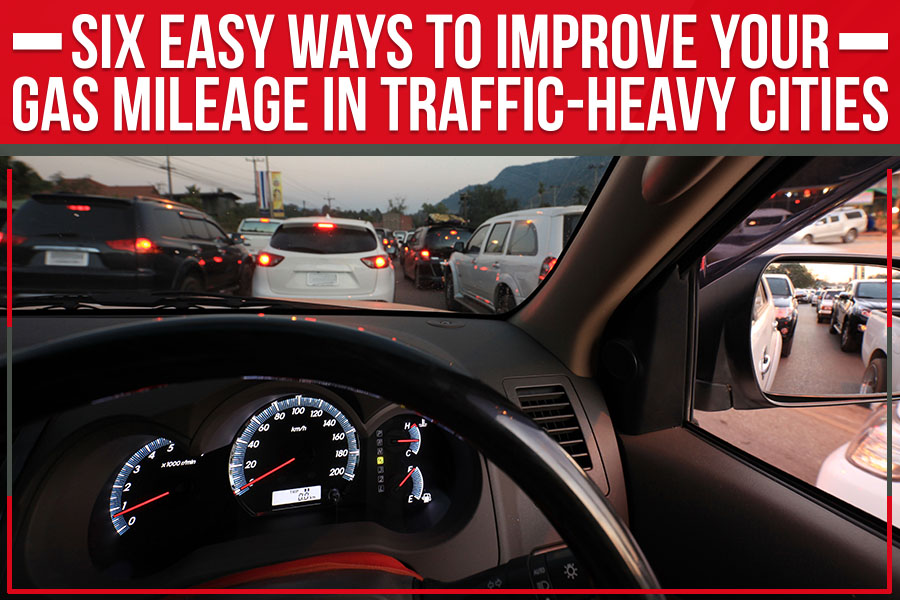
Living in a city with heavy traffic can take its toll on your car – and your wallet. But not to worry; there are some umcomplicated ways to improve your gas mileage and minimize the impact of those stop-and-go miles. Check out these tips below and see how you can start saving today.
1. Understand your city’s traffic patterns
Traffic patterns are constantly changing, so even if you think you have them completely mapped out, there’s always room for improvement. Check the online resources or local news stations for updates on any construction or accidents blocking off roads or slowing down traffic. It may not seem like much, but evading even a few minutes of stop-and-go traffic can significantly impact your fuel usage.
2. Avoid driving during rush hour
One highly recommended way to improve your gas mileage is to avoid driving during rush hour. Traffic is often lighter in the early morning and late evening when you can save some gas and avoid the stress of sitting in bumper-to-bumper traffic. If you must drive during rush hour, try to carpool or take public transportation.
3. Don’t use the car for short trips – walk, bike, or take public transportation
Whenever possible, do your best to leave the car at home for short trips. Instead, walk, bike, or take public transportation. Not only is this better for the environment, but it can also save you money on gas. How much money? It depends on a few factors, including the price of gas and the efficiency of your vehicle. However, as a general rule, you can expect to see better gas mileage when driving at lower speeds for shorter distances.
4. Plan your course ahead of time to evade congested areas
According to the Environmental Protection Agency, driving in stop-and-go traffic can lower your gas mileage by 33 percent. That’s why it’s crucial to plan your route ahead of time and avoid congested areas. By taking a few extra minutes to map out your route, you can save time and money by getting better gas mileage.
5. Keep your car well-maintained and tuned up for maximum efficiency
Proper maintenance of your vehicle helps ensure its longevity and a better gas economy. Tune-ups help keep your car’s engine tuned for better efficiency, and regular oil changes help keep the engine clean and well-lubricated. In addition, inflating your tires to the proper pressure can help you save on gas as well.
6. Avoid aggressive driving habits that waste gas
Avoid aggressive habits such as excessive idling, hard acceleration, and speeding. Also, make sure to keep your car well-tuned and the tires properly inflated, which can improve your gas mileage. Furthermore, avoid using the air conditioner whenever possible, as it strains the engine. Instead, roll down the windows to let in the fresh air.
If you’re looking for ways to improve your gas mileage without making a lot of changes, try some of these tips. And if you want to improve your car’s performance, feel free to book a consultation with Brownsville Toyota, serving Brownsville, TX, today. We can help make your commute a little less expensive and stressful.

When trading in a car, many things can go wrong if you’re not careful. This post will discuss the most common trade-in mistakes people make when trading in their cars and how to avoid them. These tips will help ensure that the process goes as smoothly as possible and that you get a god deal on your new vehicle!
1) Not Knowing Your Car’s Value
One mistake people make when trading in a car is not knowing its value. Many people rely on the dealer to give them an appraisal, but dealers are in the business to make money and will often lowball you on your trade-in. It’s imperative to do your research to know how much your car is worth before going into the dealership.
One way to find out your car’s value is to use an online tool like Kelley Blue Book or Edmunds. These sites will give you an estimated range of your vehicle’s price based on its make, model, year, and condition. It’s important to note that your car may be worth more or less than the estimated range, depending on the current market conditions.
2) Not Negotiating with the Salesperson
Another mistake people make when trading in a car is not negotiating. Many people accept the first offer the dealer gives them without trying to negotiate for a better price. Remember that the dealer’s initial offer will always be low; it’s their job to get the best price for the dealership, not for you. If you don’t feel comfortable negotiating with the salesperson, bring someone with you who does. A family member who is experienced in dealing can be a big help.
3) Not Repairing the Prominent Issues before Trading-in
A common oversight people make when trading in their car is not repairing any significant issues it may have. This is a mistake because the dealer will likely find these issues during their inspection and use them to lower the trade-in value of your car. If you can afford to, it’s always best to repair any significant issues before taking your vehicle to the dealership.
4) Not Negotiating Both Deals Separately (Trade-in & New Vehicle)
When you’re at the dealership to trade in your car and buy a new car, it’s important to negotiate each deal separately. Many people mistake negotiating the trade-in value of their car and the price of the new vehicle they’re buying. This is a mistake because the dealer will likely give you a lower trade-in value if you’re also negotiating the price of a new car at the same time.
If possible, it’s best to negotiate the trade-in value of your car before even discussing the purchase of a new vehicle. This way, you can get a fair trade-in value for your vehicle.
5) Not Providing Maintenance Records
Another mistake is not providing maintenance records. If you have receipts for all the routine maintenance and repairs you’ve done on your car, bring them when you trade-in your car. This will show the dealer that you’ve taken good care of your car, making them give you a higher trade-in value for your car.
Brownsville Toyota, serving Brownsville, TX, is a reliable dealership for buying a new car. We offer a large selection of new cars, trucks, and SUVs. We also offer competitive pricing and financing options. We provide a stress-free car buying experience, and we’re dedicated to our customers’ satisfaction. Visit us today and see why Brownsville Toyota is the best place to service your car.
5 Signs Your Car is Not Road Trip Ready
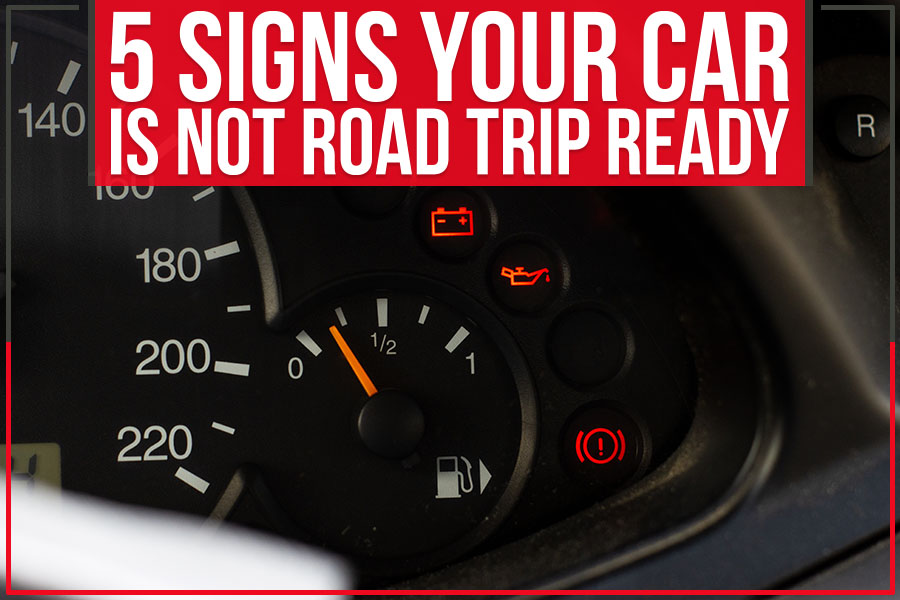
Is your Toyota ready for a road trip? Just because you have a vehicle parked in your garage doesn’t mean it will automatically be able to make the journey. There are some tell-tale signs that it might not be in optimal condition for an extended drive. Here are some indicators to be on the look out for if you’re wondering if your car is ready for a road trip.
Brownsville Toyota is one of the leading dealerships and service centers in Brownsville, TX, and the ideal location to take your vehicle in for a quick car checkup or car maintenance. So, if you see any of these signs, take your car to a mechanic and get it fixed before hitting the open road!
Your Car is Overheating
One of the most common car issues during a long road trip is overheating. This can happen for various reasons, such as low coolant level, clogged radiator, or even mechanical issues with your vehicle. If you observe your car beginning to overheat during your road trip, pull over and let it cool down before getting back on the road again.
Failing Battery
A failing battery is another common problem that can arise during an extended drive. Check your battery’s charge level before your journey; if it is low, ensure you have a backup plan in place (like having some extra juice stored away in a portable charging pack).
Tire Issues
Your tires are another critical factor to consider when planning a long drive. Low tire pressure, worn-down treads, or even uneven wear can impact your driving performance and overall safety. Check all your tires to ensure that you’re ready for whatever the road may throw at you before taking your trip.
Brake Issues
Your brakes are vital to your safety on the road, so it’s essential to make sure they’re in good working condition before setting out. If your car has been making strange noises or pulling to one side when you brake, it’s time to go to the mechanic.
Engine Oil Issues
If your engine oil is dirty or low, it could lead to serious engine issues down the road. To avoid any problems, check your oil level and quality before heading out on your trip. If it’s due for a change, don’t hesitate to get it done – it could save you a lot of trouble (and money) in the long run.
Road tripping is a summer rite of passage. Whether you’re taking a cross-country trip or just heading to the beach, making sure your car is road trip ready is essential for a safe and fun journey. These are five signs your car may not be up to the task – so schedule a service at our Brownsville Toyota service center before you hit the open road. We are serving Brownsville, TX, and the surrounding areas.
Did we mention we also have excellent deals on new cars? So, check out our website and find the perfect ride for your next adventure.
Necessary Steps to Take if Your Car Overheats
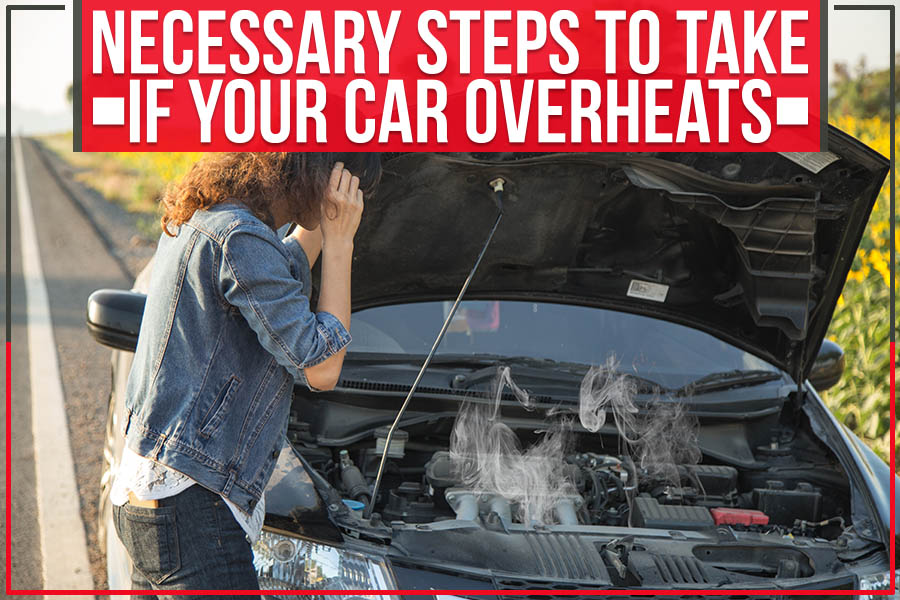
What do you do when your car overheats? If you’re like most drivers, you’ll get worried. You may not know what to do about it or where to turn. The best thing to do in this situation is to remain calm and take the necessary action to ensure your safety and the safety of those around you. In this blog post, Brownsville Toyota will discuss the crucial steps to take if your car overheats so that you can be better prepared for this potentially dangerous situation.
Car Overheating: The What and Why
Before diving headfirst into the remedial measures, you should take if your car overheats, let’s first discuss this problem and why it happens. Car overheating occurs when the engine becomes too hot. This can usually happen for a variety of causes, such as:
- The cooling system is not working correctly: The cooling system is responsible for keeping the engine cool. If it is not working correctly, the engine will overheat.
- The radiator is not big enough: The radiator is responsible for dissipating heat away from the engine. If it is not big enough, it will not be able to do its job correctly, and the engine will overheat.
- The water pump is not functioning correctly: The water pump is responsible for circulating coolant through the cooling system. If it is not working correctly, the engine will overheat.
- There is a leak in the cooling system: A leak in the cooling system can cause the coolant to escape, which means less coolant will be available to keep the engine cool. This can cause the engine to overheat.
- The coolant level is low: If the coolant level is low, it will not be able to do its job correctly, and the engine will overheat.
If any of these factors are present, your car will likely overheat. And, if left unchecked, this problem can lead to severe consequences, such as engine damage or even a fire. That’s why it’s so important to take action immediately if you notice that your car is overheating.
What Should I Do?
So, what should you do if your ride starts to overheat? Here are some crucial steps to take:
Pullover and turn off the engine
As soon as you notice the temperature gauge rising, pull over to a safe location and turn off the engine. Don’t try to keep driving; this will only worsen the problem.
Lift the hood and check the coolant level
Once you’ve turned off the engine, lift the hood and locate the coolant reservoir. Carefully check and see if the coolant level is low; if it is, add more coolant (following the instructions in your owner’s manual) until it reaches the proper level.
Check for leaks
Take a glance around the engine bay to see if you can spot any coolant leaks. If you see a leak, it’s best to have the car towed to a mechanic to repair the leak.
Let the car cool down.
Once you’ve checked the coolant level and confirmed that there are no leaks, let the car sit for a minimum of 15 – 30 minutes to allow the engine to cool down.
Restart the engine and turn on the heater
Once the engine has cooled down, restart it and turn on the heater (to its highest setting). This will help remove any excess heat from the engine compartment.
Get Your Car Repaired by Brownsville Toyota
If your car overheats frequently or if you can’t seem to get the temperature down, it’s best to take it to a mechanic for repairs. Brownsville Toyota serving Brownsville, TX, is happy to help ensure your car runs smoothly and efficiently! Schedule a service today, and let us take care of it!
What Is the “Trim” On A Car?
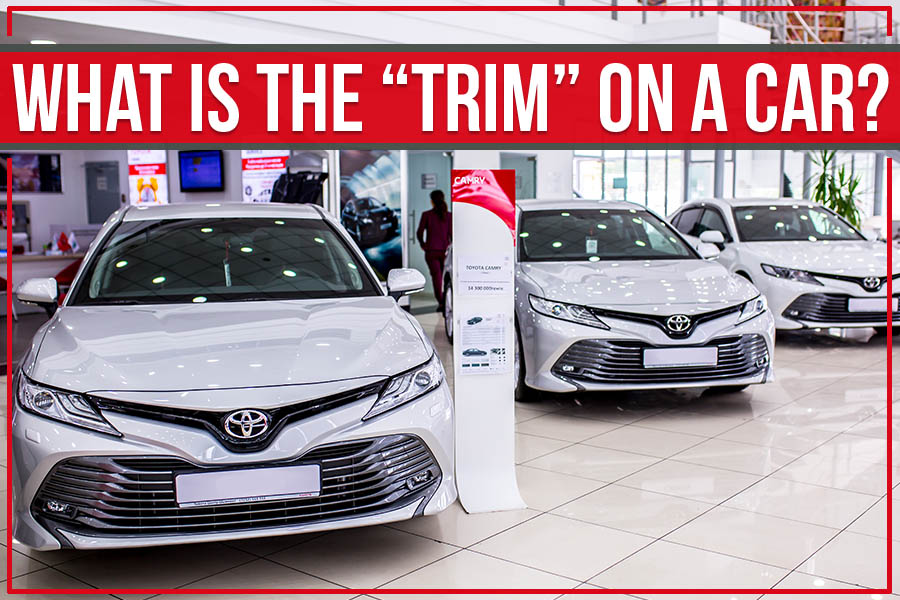
If you’re like most people, the word “trim” probably doesn’t mean much to you. You may know that it has something to do with cars, but what does that mean? What are trim levels on a car? How are they used? In this article, Brownsville Toyota will demystify “trims” and explain them. Read on to learn more!
What is the “Trim” on a car?
Trim levels refer to the various versions a car is sold in. Trim levels usually vary in terms of features, accessories, and price. When buying a new car, you should be aware of the different trim levels and what they include. Trim levels usually come in ascending order, from the most basic to the most luxurious (and expensive) option.
The difference between trims, options, and packages
Now we know from above that vehicle trim levels are different editions of the same car model. Trim levels will have many options and packages to go with them.
Options are specific individual features that can be added to a vehicle at an additional cost. For example, the 2022 Tundra SR5 offers two options for its powertrain. You can choose between the Rear-Wheel-Drive option or the 4WDemant part-time 4WD option.
Packages are groups of options that are often bundled together and offered at a discounted price. The 2022 RAV4 Adventure comes with an Adventure Grade Weather package for an additional cost of $815. This package provides a heated steering wheel, heated front seats, and rain-sensing windshields.
Toyota Trim Level Meanings.
Toyota may have designations for each trim. Here are the meanings of some trim levels for Toyota vehicles:
- L – Entry-level grade
- LE – Luxury Edition
- S – Sport
- SE- Sport Edition
- SLE – Sport Luxury Edition
- SR – Sport Rally
- SR5- Sport Rally 5-speed
- XL – Executive Level
- XLE – Executive Level Edition
- XR – Extreme Sport
- XES – Extreme Sport Edition
- CE – Classic Edition
Trim levels help automakers differentiate their vehicles and market to specific buyer groups.
Now, let’s look at the different trim levels for some Toyota vehicles.
Trim Levels for 2022 Toyota Avalon
Avalon comes in three trims, XLE, Touring, and Limited. All three models come with the Toyota Safety Sense system and are loaded with safety features like ten airbags, rear seat reminder, etc. However, only the Limited edition of Avalon comes with premium leather seats, while Touring has Softex with Ultrasuede inserts, and XLE offers Softex seating covers only.
Trim Levels for 2022 Toyota Highlander
The Highlander comes six trims: L is the base model, LE, XLE, XSE, Limited, and Platinum. All trim levels come equipped with the Toyota Safety Sense system and eight airbags. If you’re interested in multimedia options, all trims are Android Auto and Apple CarPlay compatible and have many audio features. The Platinum trim features a premium audio system with eleven JBL speakers, including a subwoofer and amplifier, while the L, LE, and XLE come with six speakers.
We hope this post helped you better your understanding of trim levels on a car. Toyota has a wide variety of trim levels to choose from, so be sure to do your research before deciding on which is best for your needs!
Brownsville Toyota serving Brownsville, TX, can help you understand all about the different features available for Toyota vehicles. Come see the entire Toyota lineup of new cars and find the car of your dreams!
Clear Signs You Need to Replace Your Spark Plugs
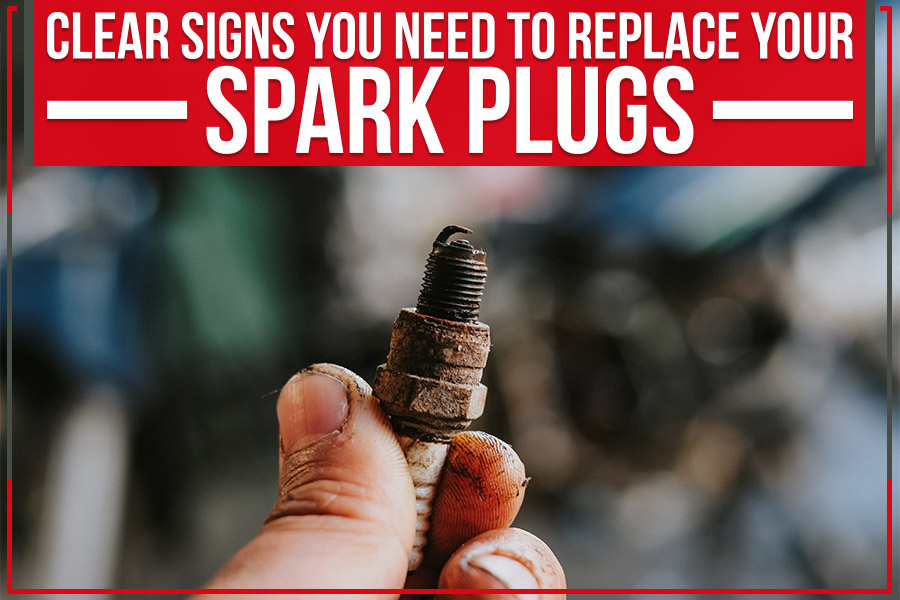
If your car is sputtering or hesitating when you try to accelerate, it might be time for a new set of spark plugs. Spark plugs are important for your car’s ignition system, and they need to be in good condition for your car to run smoothly.
How To Tell If Your Spark Plugs Need To Be Replaced
If you’re wondering whether your car’s spark plugs need to be replaced, there are a few telltale signs to watch out for.
Engine Vibration
One is an increase in engine vibration. This can be caused by the spark plugs firing erratically, and it’s usually most noticeable at idle.
Loss of Power
Another symptom is a loss of power when accelerating. The spark plugs are not firing as efficiently, causing the engine to lean.
Decreased Fuel Economy
Finally, if you notice that your fuel economy has decreased, it could be due to dirty spark plugs.
If you think your car’s spark plugs may need to be replaced, it’s best to consult a professional mechanic. Replacing spark plugs is usually a fairly simple and inexpensive task, so it’s worth getting it done sooner rather than later.
What Are The Consequences Of Not Replacing Your Spark Plugs On Time?
As any car owner knows, preventive maintenance is essential to keeping your vehicle running smoothly. Spark plugs help ignite the fuel in your car’s engine, and over time they can become fouled or damaged. If you don’t replace them on time, you may find that your car’s engine starts to misfire or runs less smoothly. In extreme cases, failing to replace spark plugs can even damage your engine. So, you should be aware of the consequences of not replacing your spark plugs on time and that you keep up with this crucial maintenance task.
How Much Will It Cost To Replace Your Spark Plugs At A Mechanic’s Shop Or Home?
Spark plugs typically need replacement every 30,000 to 50,000 miles. The price of spark plugs can vary depending on the type of vehicle you have but generally range from $10 to $30 per plug.
If you take your car to a mechanic to have the plugs replaced, you can expect to pay a labor charge and the cost of the parts. The total cost will usually be between $100 and $200.
However, if you’re comfortable doing some basic car maintenance, you can replace the plugs yourself and save money.
How Can You Avoid Having To Replace Your Spark Plugs Prematurely?
- Regularly check your engine’s air filter and replace it as needed. If your air filter is clogged, it can restrict airflow to the engine, causing the spark plugs to misfire.
- Use the right type of oil for your car. Choosing a high-quality oil with the right viscosity level will help keep your engine clean and prevent deposits from building up on the spark plugs.
Brownsville Toyota serving Brownsville, TX, is your go-to car dealership for all your car-related problems. Whether you require engine service or parts replacement, we have a solution to all your car-related problems.
Connect with us


- October 2025
- May 2025
- December 2023
- November 2023
- October 2023
- September 2023
- August 2023
- July 2023
- June 2023
- May 2023
- April 2023
- March 2023
- February 2023
- January 2023
- December 2022
- November 2022
- October 2022
- August 2022
- July 2022
- June 2022
- May 2022
- April 2022
- March 2022
- February 2022
- January 2022
- December 2021