



Auto Repair: Debunking Hybrid Car Myths
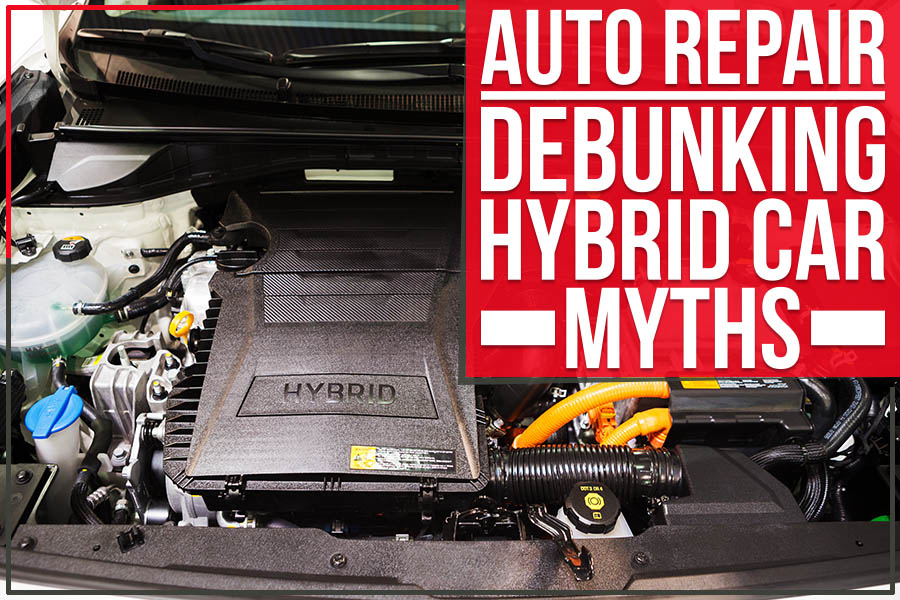
There’s a lot of confusion about hybrids out there. People seem to think they’re magical cars that don’t need any maintenance. We’re here to debunk those fables and set the record straight. Hybrid cars are just like any other car; they need regular tune-ups and oil changes.
So, if you’re thinking of buying a hybrid, don’t let the myths scare you off – go ahead and take the plunge! You’ll be helping the environment and conserving bucks on gas. And in this blog post, Brownsville Toyota will debunk some of the most common ones. So, if you’re curious (or just paranoid), keep reading!
Myth 1 – Hybrid Cars Need More Maintenance
False – hybrid cars actually need less maintenance than gas cars. The reason is that hybrids use both an electric and gas engine, so there’s more minor wear and tear on the car. Of course, you still need to change the oil and do other regular tune-ups, but it’s nothing you can’t handle yourself.
Myth 2 – Hybrid Cars Aren’t as Fast as Regular Cars
This one is false as well – in general, hybrid cars are just as fast as regular cars. Of course, there are some exceptions (like the Prius C), but for the most part, you’ll be able to get where you’re going just as quickly in a hybrid. In fact, many people choose hybrids for their speed and fuel efficiency.
Myth 3 – Hybrid Cars Aren’t as Safe as Regular Cars
This is another false statement. In fact, hybrid cars are often considered some of the safest cars on the road. They have numerous features that make them stand out, like superior braking and handling. And, because they’re more fuel-efficient, you can save money on your car insurance premiums if you switch to a hybrid.
Myth 4 – Hybrid Cars Aren’t as Affordable as Regular Cars
Again, this is false. In fact, hybrids can be cheaper in the long run than regular cars – especially if you consider gas prices and how much you save on car insurance premiums. You may have to pay a bit more upfront for a hybrid, but the long-term savings are well worth it.
Myth 5 – Hybrid Cars Are Unreliable
This is probably the most common hybrid car myth of all. But it’s also false – hybrids are just as reliable as regular cars. In fact, they often have fewer problems because of their superior engineering. So, if you’re worried about your car breaking down on the side of the road, don’t be – hybrids are perfectly reliable.
Looking For a Hybrid Car in Brownsville?
While hybrids may not be the best choice for everyone, they definitely have a place in the market. Brownsville Toyota serving in Brownsville, TX, is proud to serve drivers looking for a more fuel-efficient and environmentally friendly option. We encourage you to come to talk to us about our hybrid vehicles. We have a wide variety of new and used hybrids available, so browse our inventory today and find the perfect automobile for your needs. Thanks for reading!
LCD Stereos: 7 Features For A Lookout!

Looking to upgrade your car stereo system? Like most people, you presumably have some questions about LCD stereos. What are they? How do they work? What features are involved?
Don’t worry, Brownsville Toyota is here to help. This blog post will stroll you through everything you need to know about LCD stereos. We’ll cover how they work and what features you can expect to find on a typical unit. By the end, you should understand what an LCD stereo is and how it can benefit your driving experience. Let’s go.
How LCD Stereos Work
LCD stereos are, unsurprisingly, stereos that use LCD screens to display audio and video. Still, the addition of the LCD screen allows for a richer multimedia experience.
With an LCD stereo, you can watch movies, TV shows, and music videos while you’re driving. You can also view album artwork and track information. This added level of convenience and interactivity makes LCD stereos a popular choice for drivers of all ages.
What to Expect from an LCD Stereo?
When shopping for an LCD stereo, there are a few features you should keep in mind:
-
Screen size:
LCD stereos come in various screen sizes, from small single-DIN units to large double-DIN units. Double-DIN units will take up more space in your dash, but they’ll also provide a larger screen. If you’re looking for the best display, go for a double-DIN unit. However, if you’re limited on space, a single-DIN unit will do the trick.
-
Touchscreen:
Many LCD stereos feature touchscreen interfaces. This allows you to control all of your stereo’s functions with the touch of a finger. Touchscreen LCD stereos are generally more expensive than non-touchscreen models, but they’re also much easier to use.
-
Bluetooth:
A Bluetooth-enabled stereo lets you wirelessly stream music from your smartphone or tablet. This is an excellent feature for those who like to listen to music while driving. It’s also handy for making hands-free phone calls.
-
USB Input:
An LCD stereo with a USB input allows you to plug in your USB drive and play your music directly from the stereo. It is an excellent option if you have an extensive music collection on USB drives.
-
FM/AM Radio:
An FM/AM radio allows you to listen to your favorite local stations. This is an excellent feature for those who don’t want to give up their traditional radio listening habits.
-
WIFI:
A Wi-Fi-enabled stereo lets you stream music from the internet. This is an excellent feature for those who want to listen to their favorite online stations.
-
Auxiliary Input:
An auxiliary input lets you plug in your MP3 player or other portable audio devices. This is a perfect alternative for those who want to have more control over their listening experience.
Ending Note
So, what are LCD stereos? In a nutshell, they’re car stereos with built-in LCD screens. These screens allow you to view videos, pictures, and other multimedia content while you’re driving. They also provide access to a variety of navigation and audio functions.
So, what are you waiting for? If you’re in the market for a 0-meter automobile, consider buying one with an LCD stereo. And if your current car doesn’t have one, don’t worry; Brownsville Toyota, serving in Brownsville, TX, can retrofit it for you.
Reach out to us today to learn more about our LCD stereo options and how we can assist you in snagging the most out of your driving experience.

Road trips are always fun, but it’s essential to ensure that your car is clean and organized before you hit the road. If you’re not sure what to carry in your car cleaning kit, don’t worry! Brownsville Toyota has put together an essential list to keep your car looking and smelling great for your trip.
Packing Essentials for Car Cleaning Kit on a Road Trip
You’ll need a few essential items from your local store and some elbow grease, and your car will be ready for anything. Here’s what to pack for a clean car on your next road trip:
1. A Dustbuster or Handheld Vacuum:
It is essential for keeping the inside of your car clean. Crumbs, sand, and other debris can build up quickly, so it’s necessary to vacuum them up quickly and easily.
2. A Lint Roller:
A lint roller is best for picking up pet hair, fuzz, and other small debris that can accumulate on your seats and floor mats.
3. An All-Purpose Cleaner:
An all-purpose cleaner will come in handy for cleaning up spills, wiping down surfaces, and spot-cleaning stains.
4. A Microfiber Cloth:
A microfiber cloth is perfect for dusting and polishing surfaces. It’s also great for cleaning windows and mirrors.
5. A Garbage Bag:
A garbage bag is essential for keeping your car free of trash. Ensure to empty it regularly to avoid a garbage build-up in your vehicle.
6. Bug Spray:
Bug spray to keep the mosquitoes away. No one wants mosquito bites on a road trip. Be sure to pack bug spray to keep them at bay.
7. Air Freshener:
Air fresheners are great for masking smells and giving your car a pleasant scent. Choose one that suits your taste and keep your car smelling fresh.
With these essentials in your car cleaning kit, you’ll be able to keep your car clean on your next road trip! So pack up your car as you get ready to start the journey! Just don’t forget to bring along a little bit of elbow grease. 😉 Happy travels!
Ending Note
With our essential packing list, whether you’re hitting the open road for a weekend getaway or embarking on a cross-country journey, make sure your car is clean and organized. By taking care of these simple tasks before you go, you’ll be able to relax and enjoy your trip without worrying about the condition of your vehicle. And don’t forget to schedule service from Brownsville Toyota serving Brownsville, TX, before you hit the road! We can help ensure that your car is in top condition for adventuring as we look at your vehicle and make sure it’s ready for your road trip. We can’t wait to see you on the open road!
7 Auto Mods to Increase Your Car’s Value

Auto modifications are an excellent way to improve your car’s appearance, performance, and value. If you are looking to sell your car soon, it is important to make some modifications to increase its value. However, some modifications even decrease the value of your car – so you need to be aware!
In this blog post by Brownsville Toyota, we will look at a few auto modifications that will give you some benefit on the resale value!
New Rims And Tires
A new set of rims and tires can completely change the look of your car and can add value. Choose a popular and in-demand style to get the best return on your investment.
Performance Modifications
If you want to increase your car’s power and speed, consider performance modifications. This includes adding a new exhaust system, a cold air intake, or even changing the chip in your car’s computer.
Interior Modifications
If you want to customize the inside of your car, there are many options available to you. You can add new speakers, change the upholstery, or install a custom dashboard.
Exterior Modifications
You can also modify the exterior of your car with a variety of different parts and accessories. This includes adding a spoiler, changing the lights, or installing a new body kit.
Engine Modifications
Some simple engine modifications can make your car faster and more powerful. Engine modifications are valuable, especially if your car is old. Make sure to consult a professional in this regard before taking any decision.
Car Alarm System
A car alarm system is a great way to protect your car from theft and vandalism. It adds resale value to your car as the alarm system is desirable by many individuals.
GPS System
A GPS system is a must-have for any modern car. It helps you get around town quickly and easily, and it also provides navigation in case you get lost. A GPS can also be a valuable addition to your car if you ever decide to sell it.
By adding a few auto mods, you can make your car look and feel more stylish and modern. These modifications can also help protect your car from theft and vandalism. However, we recommend you consult a professional before choosing a modification.
Brownsville Toyota serving Brownsville, TX, has a wide selection of cars, trucks, and SUVs to choose from. We have some fantastic deals on parts and service, so you can keep your car running like new for years to come. So come on down to Brownsville Toyota today and check out our fantastic selection of vehicles! Our staff is always willing to help you! You can also explore our car parts and accessories inventory and place your orders online!

There are a variety of fluids that keep your car running smoothly. Brownsville Toyota will discuss eight essential fluids that every vehicle should have. These fluids help cool and lubricate the engine and keep other car parts running correctly. It is necessary to check your fluid levels regularly and ensure there is enough of each one. So, without further ado, let’s get started!
1. Fuel
The fuel helps to power the car. If you run out of fuel, the engine will stop functioning. Types of fuel include gasoline, diesel, and ethanol. Which fuel to use depends on the type of car. Gasoline engines can use gasoline or ethanol, while diesel engines require diesel only. Some people also mix gasoline and ethanol variants to stoke up their gasoline engines for better performance. Ethanol has better combustion efficiency than gasoline due to its higher octane rating.
2. Engine Oil
The engine oil helps lubricate the engine’s moving parts. It is essential to have enough engine oil, as it can help to prevent wear and tear on the machine. If your car has low engine oil levels, it could lead to expensive repairs down the road. It’s best to change your vehicle’s engine oil every five to seven thousand miles depending on the grade of engine oil, the age, make and model of your car, and other factors.
3. Coolant
The coolant helps prevent the engine from overheating. If your car doesn’t have enough coolant, it could overheat and cause severe damage to the engine. It’s critical to check the coolant level regularly and add more as needed. The coolant reservoir is located under the hood of your car, where you can fill it up as per requirement.
4. Brake Fluid
The brake fluid helps transfer force from the pedal to the brake pads. It is essential to have enough brake fluid, as low levels can reduce braking power and prevent your car from stopping in time.
5. Power Steering Fluid
The power steering fluid helps make it easier to turn the wheel. If your car doesn’t have enough power steering fluid, it could be challenging to steer and damage the power steering system.
6. Transmission Fluid
It helps to lube the moving parts in the transmission. If your car doesn’t have enough transmission fluid, it could lead to problems with shifting gears.
7. Windshield Washer Fluid
The windshield washer fluid helps to keep your windshield clean. It will be challenging to see through the windscreen if you run out of the windshield washer fluid.
8. Car Battery Fluid
The car battery fluid helps to keep the battery charged. If you don’t have enough car battery fluid, the battery will not hold a charge, and the car will not start.
Ending Note
Now that you know about the eight essential fluids, it’s necessary to ensure your car always has enough of each one. You can do this by scheduling your car service at Brownsville Toyota, serving Brownsville, TX so that we can take a look under the hood. We’ll help you keep your car running like new with the right amount of fluids and regular maintenance. Thanks for reading!
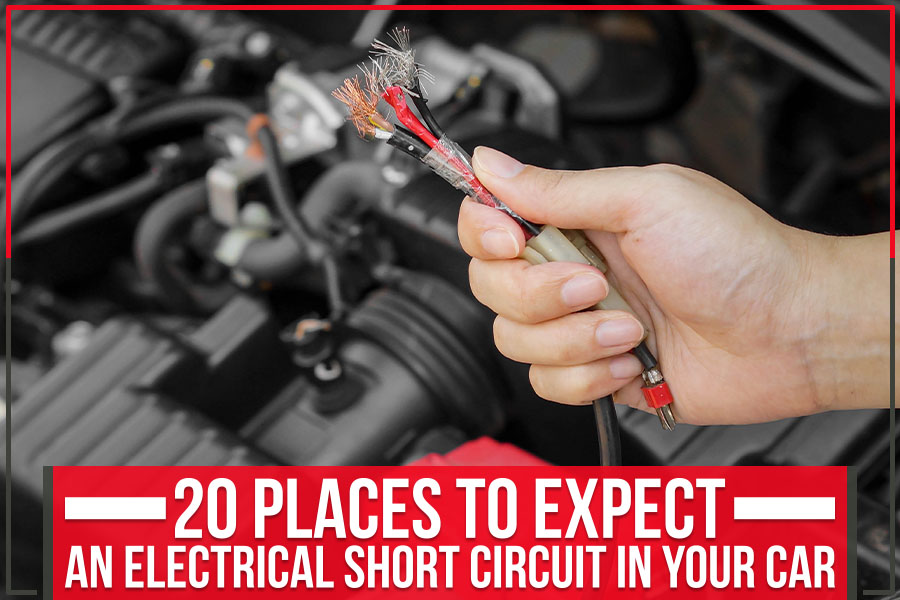
There are more electrical modules in a car than you can count, and they can get short circuited if you have an unauthorized technician messing around with your car’s electricals. Modern cars have electronic control modules designed to manage the many features & subsystems of accessory & critical functions.
The good news is, unlike the insane wiring of the past, modern car control modules have minimized the clutter. However, there are still places where you can’t even imagine an electrical short circuit happening, but because short to power are often confusing, you might need to narrow down your search.
Brownsville Toyota takes the service of their cars a bit too seriously, so we’re helping you with finding these shorts.
What is a Short?
Electrical charges take the shortest path to the ground or power regardless of the resistance of the conductive material. What happens when frayed hot wires come into contact, creating shunted paths & causing the control modules to fail.
Where Can it Happen?
It’s more like why they happen because when novices install too many electrical accessories without the assistance of an authorized technician, mistakes are made. With our vendor-approved technicians, you wouldn’t have to face that risk at all. But here are the control units that can get shorted.
- Airbag electronic crash unit
- Anti-theft alarm
- Electronic steering module
- lighting control
- Car comms & nav module
- keyless entry & remote start modules (in high-end models)
- fuel pump control unit
- Traction/stability control module
- Fuel injector module
- adaptive suspension control
Other minor modules affected in an electrical short are:
- Power Windows
- Seats
- Sunroofs
- Doors & Locks
- Airflow Control
- HVAC Unit
Critical shorts:
- Alternator – This component powers the engine & charges the battery. If it is shorted, the lights will fluctuate & the engine will stall as power gets cut.
- Starter Motor – This solenoid motor cranks the engine until ignition can take over. If the starter is faulty or shorted, the car won’t start.
- Battery – Internal shorts occur when poorly manufactured battery cells contact and create a heating discharge. If the battery finds a ground path, it will drain & lose power.
- Headlights – It’s better if the fuse gets blown, but if it’s a ground fault, you will have a possible risk of electrical fires.
How to Confirm a Short?
- You will need a circuit testing automotive diagnostic tool to test the car’s electricals for shorts.
- Remove the car battery’s negative terminal connector & clamp the tester’s clip to it. Touch the tester’s tip to the positive terminal & if the bulb comes on, you have a confirmed short circuit.
- Now you need to find out where it is, so keeping the tested connected, start pulling & putting back the fuses in the car’s fuse box for every control unit.
- If the light goes out on a fuse that you pulled, use the fuse guide to verify the source of the short. If it’s in the critical zone, you better call Brownsville Toyota for roadside assistance because driving a car with a confirmed short might start an electrical fire.
We offer top-notch service, specials & OEM parts sourcing, with flexible payment options, further complete with a display of 2022 beauties, both conventional & hybrid fuel, that you can trade-in for if your car is too much of an electrical annoyance for you.
Otherwise, immediately book a service at our auto shop for electrical issues. We’re serving Brownsville, TX!
Motor Oil for Dummies: A Brief Overview
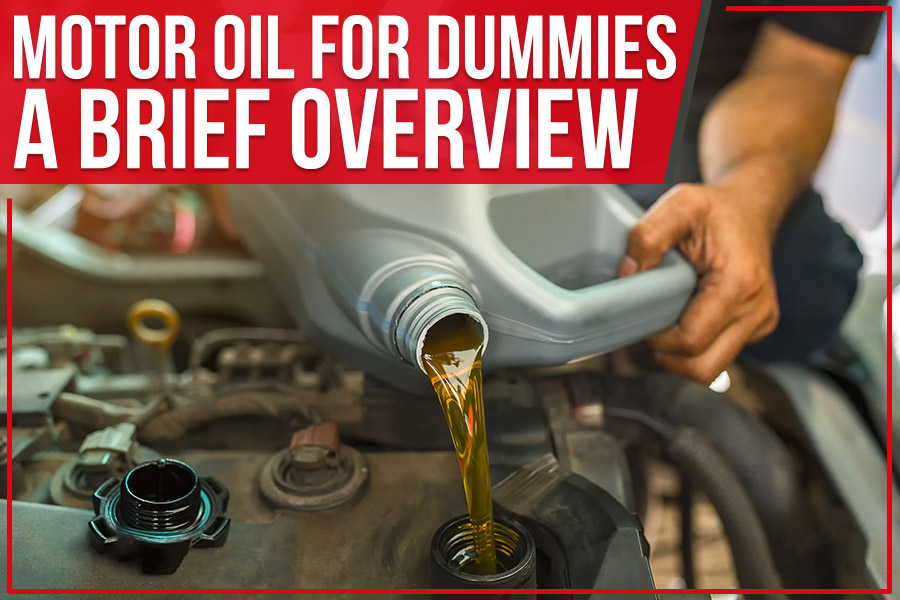
Have you ever wondered what the strange alphanumeric code on your engine oil bottle means? In this blog post, Brownsville Toyota will break down everything you need to know about motor oil and make it easy for you to understand. So, whether you’re a car owner who wants to take care of your vehicle better or just someone curious about this essential automotive fluid, read on.
What Does Engine Oil Do in a Car?
First, let’s dive in deep with a quick breakdown of precisely what oil does in a car. Motor oil is a thick, slippery liquid that coats the engine’s moving parts. It forms a seal between the pistons and cylinders to prevent metal-on-metal contact from wearing down the surface of these essential components.
In addition, motor oil keeps your engine running cool by absorbing heat from the metal parts inside your engine. It also lubricates gears and bearings to prevent them from getting worn away over time.
Is Motor Oil the Same as Engine Oil?
The words engine oil and motor oil are used interchangeably these days and they are pretty much one and the same thing.
Oil Viscosity Explained
Don’t be scared by that word: viscosity. It’s just the measure of a fluid’s resistance to flow and isn’t as complicated as it sounds. The more viscous (thicker) an oil is, the less efficiently it will be pumped around your engine and the harder your engine has to work to move it. This is referred to as internal friction or viscosity friction and is generated between molecules inside the fluid.
The Importance of Changing Engine Oil
Regularly changing engine oil is essential since it’s considered the bloodline of your car. Motor oil is used to lubricate car parts that are moving. By reducing the friction between the moving parts, you’re able to keep your engine running smoothly and prevent it from overheating or wearing down too quickly.
What Happens When Your Car Runs Out of Oil?
If you run out of motor oil in your car or truck, some parts will rub against each other without lubrication. If only a few parts are moving when this happens, then there won’t be any damage right away. However, if your car is standing still and the parts can scrape each other, this could lead to serious damages.
Since there would be no oil in the engine block to protect it from high temperatures, metal could start welding itself together inside. This will lead to expensive repairs for you.
The Gist
We hope that this guide has helped demystify the world of motor oil for you. At Brownsville Toyota, serving Brownsville, TX, we want our customers to feel confident about maintaining their vehicles. Whether they’re driving a shiny new Camry or an old pickup truck. If you have any questions about motor oil or car maintenance in general, please don’t hesitate to give us a call or stop by our dealership. And remember, when it comes time for your next service, be sure to schedule it online!
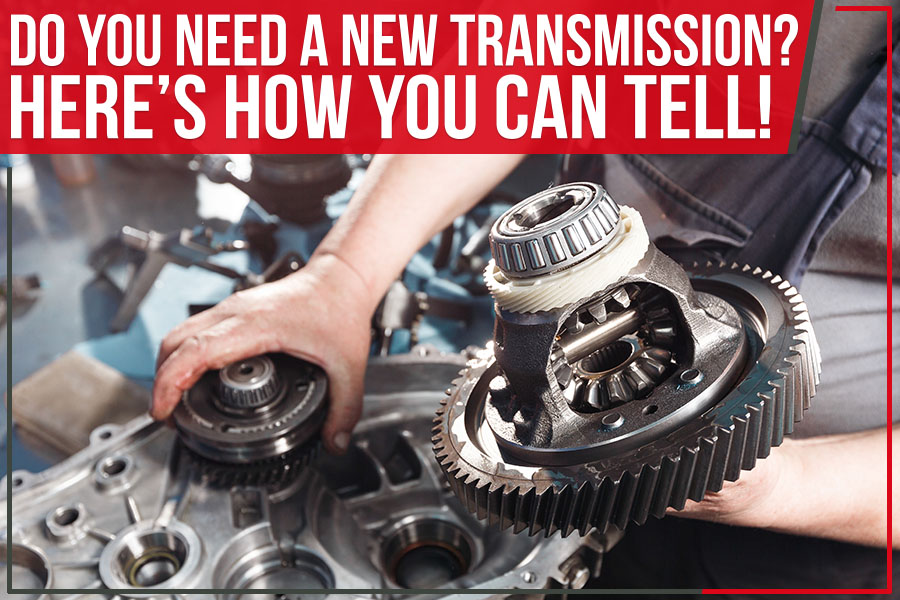
If you’re like most drivers, you probably don’t think about your car’s transmission until there’s a problem. And when that happens, it can be challenging to know whether you need a new transmission or just simple repairs. In this blog post, the transmission repair experts from Brownsville Toyota will explain the basics of transmissions so you can understand what’s wrong when it comes time for service. We’ll also cover when it might be necessary to replace your transmission rather than just repairing it.
So, whether you’re a seasoned car enthusiast or just starting to learn about engines, read on for some helpful information!
If the Transmission Mileage Has Ended
When it comes to getting a new transmission, the first thing you should consider is how many total miles it has covered. It’s essential to keep this factor in mind since the life of automatic transmission is around 80,000 to 150,000 miles.
If this limit is crossed – you’re either lucky, or you’ve been taking extremely good care of your gearbox. Manual transmissions have a much shorter life. They seem to break down sooner if you don’t take good care of them.
Transmission Repair History
Suppose you’re confused about whether to replace or repair your car transmission. In that case, we suggest checking out the repair history of your transmission. Of course, if your transmission keeps bombarding you with problems, it’s not a wise decision to keep repairing it. You’ll just be spending a lot of money on it.
In this case, it’s best to buy a new transmission and get it installed. It will save you a lot of energy, time, and money in the longer run. Also, keep in mind that if your car transmission is not under warranty, it will definitely cost you a lot. If you want to get this replaced on your own, make sure that the mechanic doesn’t charge you any extra money for labor and supplies.
Check Your Overall Automobile Condition
Car experts agree that having a new transmission installed is going to cost a lot of money. So, if you don’t have any pressing problems with your current one, there’s no need to do anything at the moment.
But if your car condition is on the decline. For e.g., if you notice your engine smoking, making excessive noise, or the RPM fluctuating frequently, it’s probably time to consider getting a new transmission. Not only will the parts on your present one be worn down, but there may also be problems with the fuel system and spark plugs. Replacing them along with installing a new transmission will cost less than if you were to upgrade everything at once.
The Takeaway
Whether you require routine maintenance or a transmission expert, Brownsville Toyota, serving Brownsville, TX, can help. Our team of certified technicians can provide the care and attention your vehicle deserves so that you can continue enjoying it for years to come. If you have questions about any of our services, please contact us today!
While we work with many different models, we also know how important it is to keep up with manufacturer-recommended service requirements. Schedule an appointment with us today, and let us get to work on your car! We hope this post helped clear any confusions you may have had; if not, or if you have additional questions, please reach out to us!
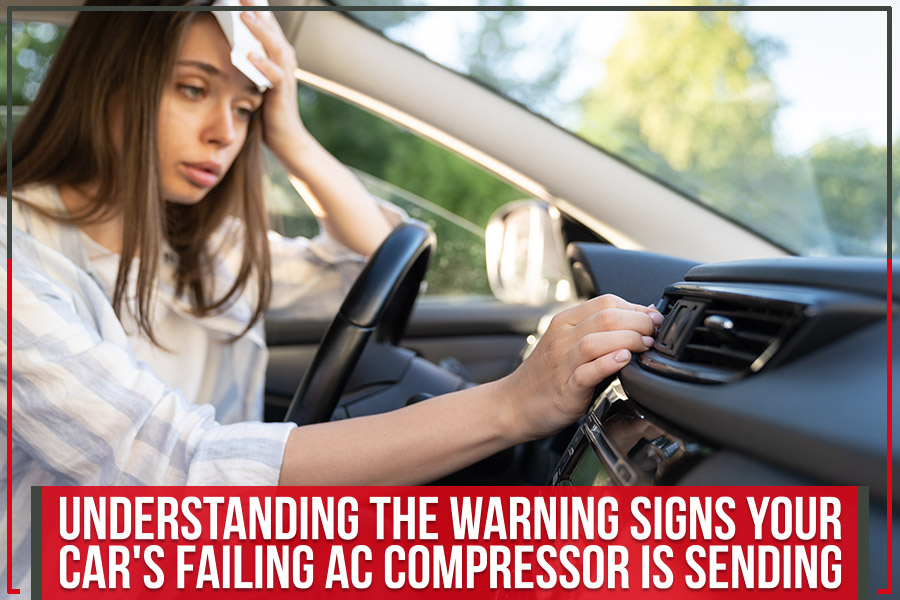
When your car’s AC compressor starts to fail, it sends out warning signals that you should pay attention to. If you ignore these warning signals, your compressor may eventually stop working altogether, which can be expensive to fix. This post will explain what the warning signals of a failing AC compressor are so that you can take action sooner rather than later. Keep reading to learn more.
Hot Air from Vents
Good air conditioning helps you enjoy your drive when the temperatures rise outside. It keeps the humidity levels low inside the car while cooling you down if it gets too hot outside. But an air conditioner will not work as well when its compressor fails. One of the most common warning signals that an AC compressor is starting to fail is when the car’s air conditioning unit begins to blow out warm air instead of cold. If you’ve been noticing this change and your vehicle is not as cool as it used to be, then it might be time for compressor repairs or replacement.
The Compressor is Making Loud Noises
Another sign that your car’s AC compressor is bad or failing is when the system starts to make louder noises than normal. This can come in the form of screeching, growling, and grinding noises whenever you try to turn on your air conditioning system. Loud noises coming from the air conditioner might indicate a problem with its bearings, valves, or other internal components.
If you’re hearing any strange or unusual noises coming from your air conditioning unit, it’s best to take it in for a diagnostic checkup as soon as possible. Failing to address the issue could lead to further damage and more expensive repairs down the road.
The Compressor Looks Damaged
Another sign that your AC compressor might be on its way out is if it looks visibly damaged. If you observe any leaks, cracks, or other signs of physical damage, likely, the compressor is no longer working properly. In some cases, a leaking compressor can be fixed without replacing the entire unit. However, if the compressor is severely damaged, it might be necessary to replace it entirely.
If you’re unsure whether or not your compressor is damaged, take your car in for a diagnostic checkup. A professional will be able to tell you if there’s any damage and what needs to be done to address it.
Damaged Wiring Harness
Another possible reason for a failing AC compressor is damaged wiring. If the wiring harness that connects the compressor to your car’s electrical grid becomes loose or starts to fray, it can cause problems with how well the AC system works. In this case, you’ll likely need to replace the entire wiring harness for everything to work properly again.
If you see any warning signs like these, don’t hesitate to schedule an appointment with our dealership service center at Brownsville Toyota, serving Brownsville, TX, for preventive maintenance or repair. Our certified car technicians can get your AC back up and running before this problem becomes worse than what it already is!
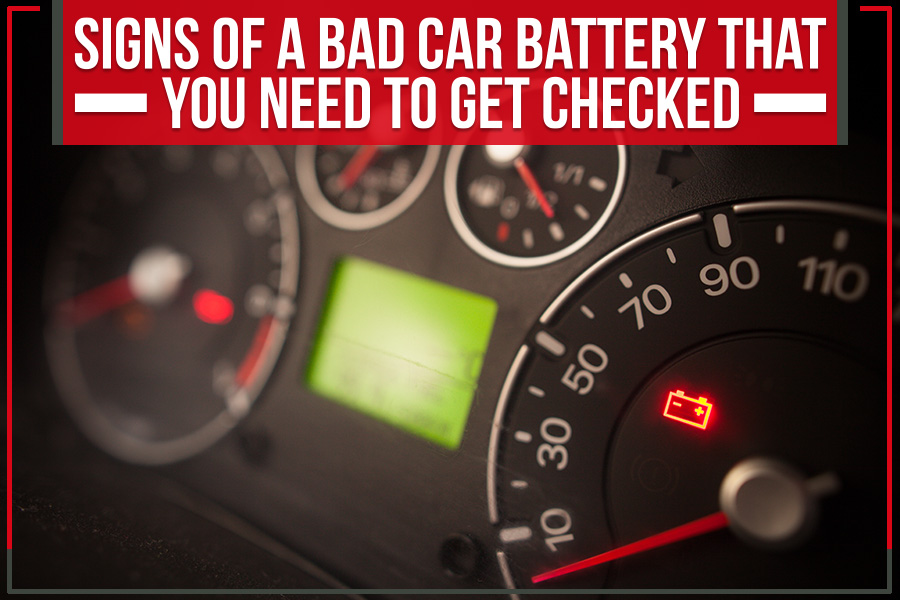
If your car is not starting or taking a long time to start, there may be something wrong with your battery. Car batteries tend to fail after a certain amount of time, and it’s important to be able to identify the signs so you can get them fixed before you’re left stranded on the side of the road.
This post will discuss the most common symptoms of a bad car battery, so keep reading.
You Have an Old Battery
The number one sign of a bad car battery is that it’s old. If your battery is more than three years old, then you should start to worry about its health. An old battery won’t hold a charge as well as a new one, so you may find yourself struggling to start your car on cold days.
If you’re not sure how old your battery is, you can check the manufacturing date. The date will be stamped on the top of the battery in a YYYY format (e.g., 2016). If you have an old battery, it’s time to replace it. A new battery will give your car a boost and improve your gas mileage.
When choosing a new battery, ensure to get one that’s the right size for your car. Batteries come in different sizes, so selecting the right one is important. You don’t want to buy a battery that’s too small or too big for your car.
Battery Terminals are Corroded
Another sign of a bad battery is corrosion on the terminals. If you see any white build-up on the terminals, you should clean them off and inspect the battery for any other signs of damage.
If the terminals are corroded, it’s likely that the battery is also damaged and needs to be replaced. Corrosion can cause a lot of damage to a battery, so it’s important to address it as soon as possible.
Low Battery Charge
One of the most telltale signs that your battery is on its way out is a low battery charge. The best way to examine this is to pop the hood and look at the battery itself. If it’s visibly swollen or if the fluid inside is murky, that’s a sign that the battery is reaching the end of its life.
Bulky Battery
If your battery is swollen, taking up more space than it used to, that’s another sign that it might be failing. Batteries tend to expand as they age, so if you notice a significant change in the size of your battery, that could be a sign that it’s time for a replacement.
Dim Headlights
If your headlights are looking a bit dimmer than usual, that could indicate that your battery is weak. This is because the battery powers all of the electrical components in your car, including the headlights. So if the battery isn’t providing enough power, you’ll notice a significant drop in brightness.
If you notice any of these signs in your car, it’s possible that the battery is failing and needs to be replaced.
Schedule an appointment for battery testing and replacement with our dealership service center at Brownsville Toyota, serving Brownsville, TX, so that we can examine its condition.
Our certified car technicians would love to help you get back on the road without further delay!
Connect with us


- October 2025
- May 2025
- December 2023
- November 2023
- October 2023
- September 2023
- August 2023
- July 2023
- June 2023
- May 2023
- April 2023
- March 2023
- February 2023
- January 2023
- December 2022
- November 2022
- October 2022
- August 2022
- July 2022
- June 2022
- May 2022
- April 2022
- March 2022
- February 2022
- January 2022
- December 2021