



 rnrnrn
Key Takeaways:
rnrn
- rn
- Antifreeze and coolant are two different things
- It is made up of water and glycol, while engine coolant is made up of water and antifreeze.
- Antifreeze does not freeze as easily as water, while coolant can freeze at a lower temperature than water.
- You need to check your engine level and ensure it is filled with the proper amount of either car antifreeze or engine coolant.
rn
rn
rn
rn
rnrn
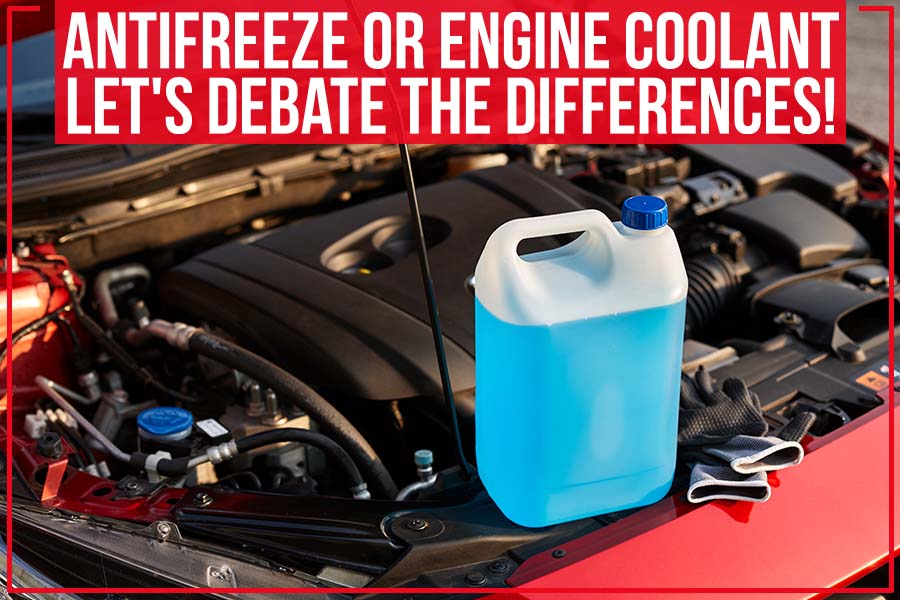
Maintaining your car’s engine at the right temperature is crucial if you want it to live a long and healthy life. The substance that helps keep the engine in your automobile from overheating is known as engine coolant. Antifreeze and the engine coolant are sometimes interchangeable, but is car antifreeze a coolant?
In this blog post, Brownsville Toyota will debate the differences between antifreeze and coolant and assist you in deciding the correct usage for both in order for your car to function optimally.
rnrn
Coolant And Antifreeze: The Difference
rnrn
They are comparable in many ways and serve the same function. They aren’t the same, though because one is usually needed to make the other.
rnrn
Typically, the major component of antifreeze is ethylene glycol, which has a very low freezing point. Because antifreeze contains ethylene glycol, it stays liquid even in freezing temperatures, keeping your car’s engine running smoothly as the temperature decreases. Antifreeze comes in a variety of forms, and each form has certain advantages.
rnrn
Antifreeze must be diluted with water before use. It then transforms into a fluid and is referred to as an “engine coolant” when this happens. Engine coolant is only a solution of antifreeze and water. Antifreeze and water are frequently blended 50:50 to generate coolant. The antifreeze induces low and high freezing points in the coolant water, so it does not freeze in the radiator hoses in the winters, nor does it turn to steam in hot summer regions.
rnrn
Coolant may include up to 70{e4a552875846a344765516d5062c1e2fe5879960ce166f7d572f85e1d47441f2} antifreeze in colder climates instead of the standard 50{e4a552875846a344765516d5062c1e2fe5879960ce166f7d572f85e1d47441f2} antifreeze and 50{e4a552875846a344765516d5062c1e2fe5879960ce166f7d572f85e1d47441f2} water blend. When the temperature is at least 30 degrees below zero, the 50/50 mixture prevents engines from freezing and allows them to operate at temperatures higher than 200 degrees.
rnrn
The engine, water pump, radiator hoses, cylinder head gasket, and other parts might be corroded if you mix or use a coolant that isn’t designed for your automobile.
rnrn
Coolant: Function and Types
rnrn
The primary purpose of coolant is to remove heat from the engine. The coolant draws heat away from the engine and transfers it to the air. The second function of engine coolant is to protect the engine from corrosion. Antifreeze contains chemicals that prevent rust and other forms of corrosion from forming on metal surfaces.
rnrn
There are two types of coolant: ethylene glycol and propylene glycol. Ethylene glycol is the most common type of coolant. It is reasonably priced and effective in preventing rust in the engine. However, ethylene glycol is poisonous if ingested. Propylene glycol is less poisonous than ethylene glycol but is more expensive.
rnrn
How Does Coolant Work in Cars?
rnrn
When the engine is off, coolant is left in your automobile’s radiator. Once the ignition is turned on, coolant moves through the engine’s crevices and cracks to absorb the heat produced while the engine drives your car. The coolant is returned to the radiator after passing through the engine to be cooled by air. Then it is sent back to the engine so the procedure can begin again.
rnrn
The Difference in Colors of Anti-Freeze
rnrn
The difference in colors of anti-freeze is due to the different types of corrosion inhibitors used. The most common colors are green, pink, and orange.
rnrn
Green coolant composition:
rnrn
Green coolant is typically composed of ethylene glycol and propylene glycol. It also contains corrosion inhibitors to protect against rust and scale formation.
rnrn
Pink coolant composition:
rnrn
Pink coolant is typically composed of propylene glycol and corrosion inhibitors. It does not contain ethylene glycol.
rnrn
Orange coolant composition:
rnrn
Orange coolant is typically composed of ethylene glycol and corrosion inhibitors. It does not contain propylene glycol.
rnrn
Premixed Vs. Pure Antifreeze:
rnrn
Any car parts store will sell pure antifreeze. The cooling system of your automobile can then be filled with a mixture of this antifreeze and water. An additional choice is to buy car antifreeze that has already been diluted with water to create engine coolant.
rnrn
Antifreeze: Is It Safe?
rnrn
Antifreeze, whether it is pure or premixed, is harmful. It is dangerous for people and animals because of the ethylene glycol it contains. You must, therefore, dispose of this liquid according to the manufacturer’s recommendations.
rnrn
How Often Should I Change My Coolant?
rnrn
The answer to this question varies, so it’s best to consult your car’s owner’s manual. Many automakers recommend changing your coolant every 30,000 miles or every two years, whichever comes first.
rnrn
Due to the lengthy intervals between replacements, tracking the need for an engine coolant change may be challenging; it is not as simple as testing your brakes after every oil change.
rnrn
If you neglect to replace your coolant, it may eventually become more acidic and lose its anti-rust properties. Corrosion from this can harm your car’s radiator, water pump, thermostat, and even the heating system.
rnrn
When To Add Coolant:
rnrn
At least once each month, you should check the coolant level in your automobile.
rnrn
In most autos, the reservoir is typically located in the engine compartment. It must be designated with a label, a low line, and a fill-to line. Add extra coolant after the level reaches the low line until it reaches the fill-to line.
rnrn
Never try to add coolant or open the radiator cap when the engine is hot or running. Due to the cooling system’s pressure, hot liquid might fly out and burn your hands, face, or other body parts with which it comes in touch.
rnrn
Let your car cool down for a few hours beforehand if you need to replenish coolant between service visits.
Your car’s engine receives the assistance it needs from antifreeze to run during severe weather. With the knowledge you’ve gained above, you can decide what’s best for you and your car regarding this essential fluid.
rnrn
Want help with engine cooling?
rnrn
Brownsville Toyota, serving Brownsville, Texas, is a Toyota dealership that sells both new and used Toyotas and provides high-quality maintenance and repairs. We can service a wide range of car makes and models since our staff members are factory-trained and ASE certified.
rnrn
Feel free to get in touch with us & schedule your service today!
5 Sounds Your Car Shouldn’t Be Making!
Key Takeaways:
- Bringing your car in for regular maintenance can also help prevent problems like this from happening in the first place.
- The squeaking sound could signify that your brake pads are wearing thin and must be replaced.
- If the CV joint is damaged, it can cause clicking or popping noises.
- Knocking noise when your car is idling is likely caused by low oil levels, dirty oil, or worn-out engine bearings. An issue could also cause the knocking noise with your fuel injectors or spark plugs.
- Engine trouble can be very expensive to fix, so it’s better to catch it early before it becomes a bigger problem.
We all know the feeling. You’re driving and hear a strange cranking noise from your car. It may be a light clicking or a loud bang. Either way, it’s enough to make you worry. What should you do? Bring it to a mechanic? Try to fix it yourself. Sell it for parts? This blog post will explore what to do when your car makes noises.
Sounds Your Car Shouldn’t Be Making
-
Squealing When You Brake
If your car is squealing when you brake, it could signify that your brake pads are wearing thin and need to be replaced. It could also stipulate a problem with your brake calipers or rotors. If you hear squealing when you brake, it’s important to have the problem checked out by a car mechanic as soon as possible.
-
Clicking When You Turn
If it makes a clicking sound, there’s a problem with your CV joint. The CV joint is at the end of the driveshaft and allows for the driveshaft to flex as you turn. If the CV joint is damaged, it can cause clicking or popping noises. A steering rack or suspension problem could also cause the clicking noise. If you hear clicking when you turn, it’s important to have the problem checked out by a car mechanic as soon as possible.
-
Grinding When You Brake
If you notice your car brakes making an unpleasant grinding noise, it means the brake pads have worn out and require replacement. Additionally, the grinding noise could be caused by a problem with your brake calipers or rotors. If you hear grinding when you brake, it’s important to have the problem checked out by a mechanic as soon as possible.
-
Popping When You Accelerate
If you hear a dragging noise from your car’s brakes, it suggests that the brake pads have worn down and must be replaced. Additionally, the grating sound might be caused by a malfunction with your brake calipers or rotors. Suppose you hear mechanical grinding when you apply the brakes. In that case, it is critical to have the issue examined as soon as possible by a car mechanic.
-
Knocking When Idling
Knocking noise when your car is idling is likely caused by low oil levels, dirty oil, or worn-out engine bearings. An issue could also cause the knocking noise with your fuel injectors or spark plugs.
Related: Winter car care tips.
In short, common causes for noises while braking or idling are generally due to wear and tear of parts like brake pads or engine bearings. More serious issues could be with your fuel injectors or spark plugs. In any case, when you hear strange noises from your car, take it to a mechanic as soon as possible.
What To Do If Your Car Emits Strange Noises?
-
Identify The Issue
First, let’s identify the type of noise your car is making. Is it a light-clicking noise or a loud bang? If it’s a light-clicking noise, chances are it’s nothing to worry about. It could be something as inconsequential as a loose connector or a worn-out part. However, if the noise is a loud bang, then you might have a more serious problem. It could be due to a blown tire or more serious engine trouble.
-
Check The Relevant Manuals
If you think the noise might be due to a loose connector or worn-out part, you should first refer to the relevant manuals. In most cases, these types of problems can be easily fixed by following the instructions in the manual. If you can’t find the manual or the problem seems too complicated to fix, then your best bet is to haul it to an auto shop.
-
Is It A Blown Tire?
If you think the noise might be due to a blown tire, you should first pull over and check the tire for any rubber breaches. If not, then visually inspect the tire for the right pressure. If the tire pressure is low – or the tire sidewalls seem deflated, as usual, that’s probably causing the dull noise. The best way to fix this problem is to take the car to a service station and have them fill up the tire with air.
Never drive with under-inflated tires as it is hazardous.
-
Engine Trouble
If you think the noise might be due to engine trouble, then your best bet is to take the car to a mechanic immediately. Engine trouble can be very expensive to fix, so it’s better to catch it early before it becomes a bigger problem. Engine issues are capable of crippling your entire car and they can rack up quite a cost in repairs.
Whenever your car makes noises, always err on the side of caution and take it to a mechanic just in case there’s something seriously wrong. Better safe than sorry!
Conclusion
When you hear weird noises from your car, don’t panic! You can do several things to figure out what’s causing the problem.
First, try to identify what type of noise it is and where it’s coming from. This will help you determine what kind of problem you’re dealing with.
Then, consult your car’s manual or take it to a mechanic for further assistance. Remember: better safe than sorry!
Taking care of your car by bringing it in for regular maintenance can help prevent problems like this.
Toyota Drivers In Brownsville, Your One-Stop Shop for All Things Automotive Is Here!
Brownsville Toyota, serving Brownsville, TX is not just a dealership – we’re a full-service center that can take care of everything from oil changes to major repairs. Plus, our team is certified and experienced with many different car brands, so no matter what you drive, we can help you out.
You deserve the best service we aim to deliver at Brownsville Toyota. Our team is knowledgeable and friendly, and we want to ensure your visit is as stress-free as possible.
6 Obvious Signs You Need New Tires For Your Toyota!
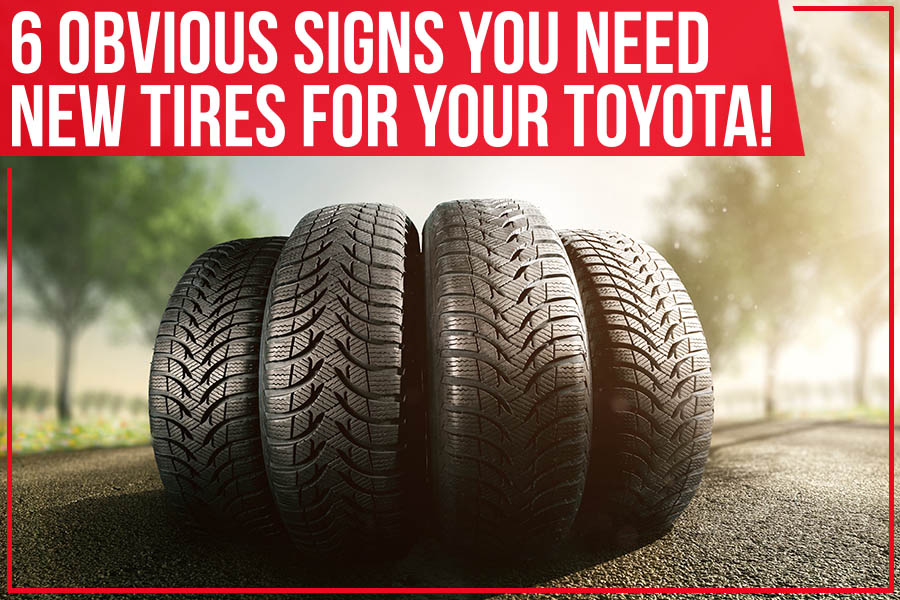
Are your tires starting to seem a little too worse for the wear? Are you in the market for some new ones? If so, choosing the right tires for your vehicle and driving needs is important. Tires provide traction and stability and play a critical role in your car’s handling on the road. So, if you want a better driving experience, it might be time to start thinking about your tires.
In this post, we’ll discuss the signs that you need new tires, plus how to choose the right type and size. Stay safe on the road with a fresh set of rubber!
-
Worn Out Treads
One of the first signs that you need new tires is if your treads start to look worn. Your treads are the part of the tire that comes into contact with the road, so they must have a good amount of tread to provide traction. If your treads are worn down, your tires no longer provide adequate traction. It can be dangerous, especially in wet or icy conditions.
-
Vibrations
If you feel a vibration while driving, that’s a sign that your tires are no longer properly balanced. This happens due to normal wear & tear, or it can be caused by hitting a pothole or other object on the road. Either way, if your car is vibrating, it’s a sign that something is wrong, and you should have it checked out.
-
Cracks/Bulges in the Sidewalls
If you see cracks/bulges in the sidewalls of your tires, that’s a sign that your tires are ending their lifespan. If you drive on uneven roads and icy conditions, the cracks and bulges are more likely to appear in just a few years. These cosmetic defects can indicate more serious problems, such as internal damage, that can lead to a blowout. Don’t risk it – replace your tire as soon as you see any damage.
-
Temperature Changes
Tires are made of rubber; they are severely affected by changes in temperature. If it’s cold out, your tires will be harder and won’t provide as much traction. In hot weather, the opposite is true: your tires will be softer and may overheat if you drive fast or for longer.
Suppose you reside in an area with extreme temperature changes. In that case, it’s especially important to keep an eye on your tires and replace them when necessary.
-
Irregular Wear
If some tires wear down faster than the others, it could be due to overinflation, underinflation, or even misalignment. These issues can cause premature tire wear and should be addressed as soon as possible.
-
Low Tread Depth
If your tread is worn down to less than 4/32 of an inch, that’s also a sign that you need new tires. Insert a quarter into the tread groove to determine if your tires are worn out! If Washington’s head is visible, your tread is too low, and you need new tires.
Now that we have discussed the most obvious tire wear signs, you can beware and change them before you’re stranded on the road!
Brownsville Toyota, serving Brownsville, TX, has a service center to provide precise replacements for worn tires at a reasonable price. Our factory-trained and authorized Toyota technicians will ensure that your tires are properly mounted, balanced, and inflated to match your vehicle’s requirements.
When you’re darting to buy a used car, should you go for a certified pre-owned (CPO) model? That’s the question many folks are asking themselves nowadays. On the one hand, CPO cars come with certain perks and assurances that regular used cars don’t – such as warranties and/or guaranteed histories of being accident-free.
But on the other end, some people argue that CPO models are more expensive than regular used cars and may not be worth the extra money. So, which is better? In today’s blog post with Brownsville Toyota, let’s explore this question!
Regular Used Cars: A Brief Intro
Regular used cars are, well, just that: regular. There’s no guarantee that anyone, let alone the manufacturer, has inspected them. And while you can find some great deals on regular used cars, you’re also more likely to run into problems down the road. With a regular used car, you’re essentially taking your chances.
Certified Pre-Owned Cars: A Brief Intro
When you buy a certified pre-owned (CPO) car, you’re essentially getting a used car thoroughly inspected by the manufacturer and approved. Certified pre-owned cars must meet certain criteria for certification, such as being within a certain age and mileage range, having no major wear and tear, and passing a detailed inspection process. Many CPO cars also come with extended warranties that cover them longer than regular used cars.
Regular Vs. CPO Cars: Pros & Cons
Now that we’ve laid out a brief introduction to each type of car, it’s time to compare the pros and cons of regular used cars vs. certified pre-owned cars.
Used Cars:
Pros
- You can usually grab a great deal on a used car.
- Used cars have already taken their biggest depreciation hit, so you don’t have to worry about the value dropping any further.
Cons
- It can be challenging to grab a good used car since there’s no guarantee of quality.
- A warranty may not cover you if something goes wrong with the car.
Certified Pre-Owned Cars:
Pros
- CPO cars are thoroughly inspected and have a warranty, so you know you’re getting a quality car.
- You can often find low-mileage CPO cars that are nearly new.
Cons
- CPO cars usually have a higher price tag than regular used cars.
- The selection of CPO cars may be limited depending on the make and model you’re looking for.
Bottom Line
So, which type of car should you buy? Ultimately, the decision comes down to your budget and what you’re looking for in a car. A certified pre-owned car is a fantastic option if you’re willing to spend more money for peace of mind.
However, suppose you’re budget-conscious or looking for a specific make and model that might not be available as a CPO. In that case, a regular used car is probably your best bet. Whichever route you choose, do your research and shop around to get the best deal possible.
Here’s How Brownsville Toyota Can Help You!
Brownsville Toyota, serving Brownsville, TX, is your number one source for all things Toyota. We have a big selection of both new and used Toyotas, as well as certified pre-owned cars.
Our knowledgeable & friendly sales team will be happy to help you find the perfect car for your needs and budget.
Give us a call or stop by our dealership today!
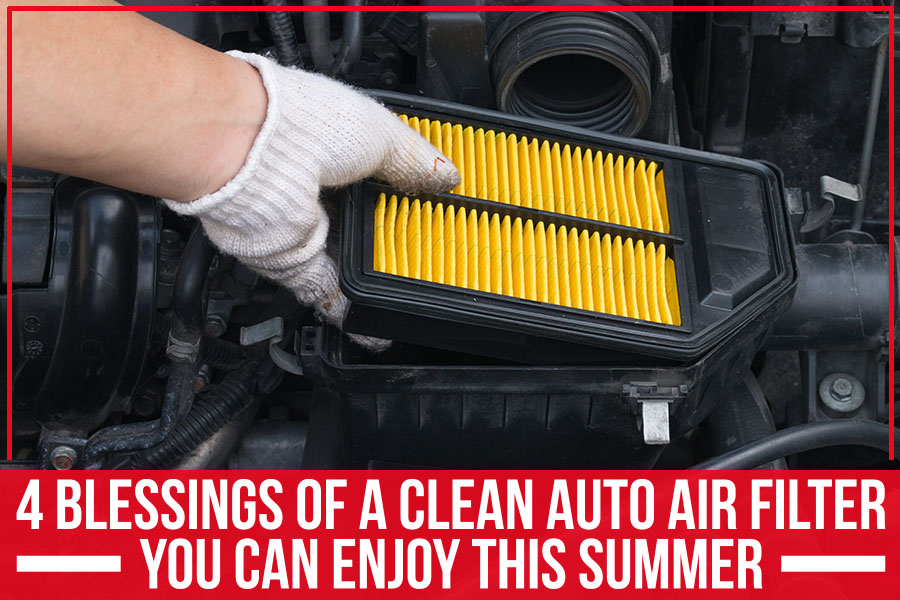
As we all know, summertime is the perfect season to roll down the windows, blast some tunes, and cruise around town. But you may not know that one of the simplest ways to improve your driving experience during summer is by keeping your car’s air filters clean.
There are two of them; the cabin filter channels clean air into your cockpit, while the engine air filter (not to confuse with the oil filter) pumps clean air into the cylinders for combustion. Believe it or not, dirty car filters can make your car work harder and reduce fuel efficiency – among other relevant issues. So before hitting the open road this summer, get your car to the nearest Toyota dealership for a round of service!
In today’s blog post, Brownsville Toyota will outline four benefits of having clean filters. Keep reading to learn more!
Why Is Changing Car’s Air Filter Important?
- Well, for one, a clean air filter can improve your car’s gas mileage by as much as 10{e4a552875846a344765516d5062c1e2fe5879960ce166f7d572f85e1d47441f2}. Driving around with a clogged filter will restrict airflow to the engine, making the engine work harder and use more fuel.
- On the other hand, a clean filter allows for proper airflow and can improve your car’s fuel efficiency. And who doesn’t love saving bucks on gas?
- Over time, debris & dirt can build up on old filters, and this dirt can make its way into the engine. This build-up can yield serious damage to your engine components and ultimately lead to engine failure. By regularly replacing your car air filter, you can help prevent this type of damage and keep your engine operating optimally for years to come.
Benefits Of Changing Car Air Filter in Summer
- Improved Fuel Efficiency: Clean air filters help your engine run more efficiently, which can improve your car’s fuel consumption.
- Extends Engine Life: A clean engine air filter can also extend the life of your engine by preventing build-up and damage.
- Improved Performance: In addition to improved fuel efficiency and longer engine life, a clean air filter can also improve performance. When your engine is free of debris and build-up, it can run more smoothly and power through even the toughest challenges.
- Enhanced Air Quality: Not only will a clean cabin air filter improve the quality of the air inside your car, but it will also help to purify the air around you. By trapping pollutants and allergens, a clean filter can help you to breathe easier – even on the stuffiest days.
Whether a new driver or a seasoned pro, keeping your car in good working condition is always important. This summer, take some time to check your air filter and make sure it’s clean. Your car will thank you for it!
Here’s How Brownsville Toyota Can Help!
Brownsville Toyota, serving Brownsville, TX, and surrounding areas, has expert technicians to answer all your car-related questions. If your car air filter is looking a little worse for wear, bring it in, and we can replace it. We’re always happy to help our customers keep their cars running smoothly!
Driving In the Rain: Dangers & Safety Tips
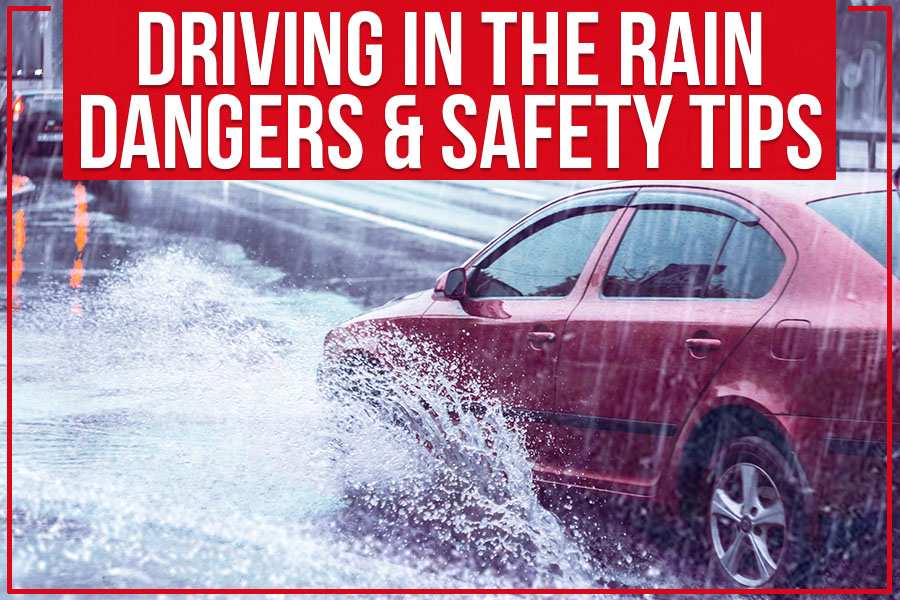
Driving in the rain can be a recipe for disaster. The roads are slippery, and you could end up causing an accident if caught without proper preparation. Brownsville Toyota has some tips for avoiding getting into trouble when driving through standing water or other wet conditions.
1. Slow Down
Rain causes vehicles to stop with delay, so drivers have less control over their vehicles. It’s not worth risking your safety by speeding in the rain.
According to a study by the National Highway Traffic Safety Administration, nearly 22{e4a552875846a344765516d5062c1e2fe5879960ce166f7d572f85e1d47441f2} of all vehicle crashes in the United States are weather-related. Of those weather-related crashes, 46{e4a552875846a344765516d5062c1e2fe5879960ce166f7d572f85e1d47441f2} happen during rainfall.
So, it is in your best interest to slow down when the roads are wet. Not only will it help you avoid an accident, but it will also give you more time to react if something does happen.
2. Turn on Headlights and Windshield Wipers
Heavy rain significantly affects visibility. Hence, your response time to potential hazards will be lower. Better turn on your headlights to warn other drivers what’s coming towards them! Also, be more vigilant when passing or merging into traffic, taking additional caution. Use low-beam headlights to improve visibility, but don’t use high beams because they will reflect off the water on the road and further impair your vision.
3. Regain Control Slowly If You Hydroplane
Hydroplaning can be a dangerous condition, but it’s easily reversible if you take the proper steps. First off all-, don’t panic! Take your foot off of gas and slowly decrease speed until control has been reclaimed. Now before accelerating back up to normal cruising range without overdoing things or losing balance. Try to maintain steady state traction on both wheels equally through corners etc., then pull safely aside at the next exit to find a safe parking space.
4. Beware of Slick Roads and Bridges
Rain makes roads and bridges slick. Reduce the car’s speed and increase your following distance to give yourself more time to react if someone should brake suddenly in front of you. Pay close attention to traffic patterns and be prepared for other drivers who may not be as cautious as you are.
5. Avoid Driving Through Large Puddles Of Water
You never know how deep a puddle of water is, and you don’t want to risk driving through it and possibly damaging your car. If the water is too deep to avoid, slow down as much as possible before going through it. It will help minimize damage to your vehicle and keep you from hydroplaning.
Ending Note
Make sure you have a reliable car service or repair shop on speed dial to avoid accidents or problems while driving in wet conditions. At Brownsville Toyota, serving Brownsville, TX, we want to ensure our drivers are safe and sound even under wet weather. So please browse our inventory or schedule service for your car today!
6 Reasons To Find New Love With A Newer Car!
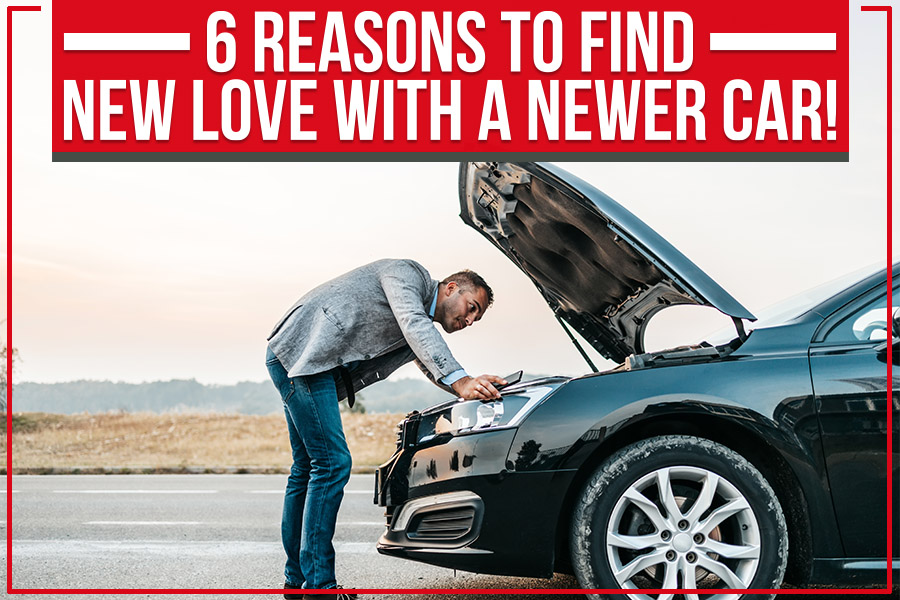
Are you feeling like your car is just not doing it for you anymore? Are you looking for a new ride to spice up your life? If so, read on! Brownsville Toyota will discuss six signs indicating you need a new car. Maybe your old car just isn’t meeting your needs anymore. It might be too small or too uncomfortable. Or perhaps it’s just costing you too much money in repairs.
Whatever the case, if you’re planning to get a new car, then check out this blog post first. We’ll help you to make an informed decision.
1. Your Car Is Constantly In The Shop For Repairs
If you spend more time in the shop than on the road, it might be time to get a new car. Constantly taking your vehicle in for repairs can be costly and frustrating. If you’re tired of dealing with this hassle, it might be time for a change. Perhaps a trip to a reputed Toyota dealership in Brownsville, TX, might just be the thing you need!
2. Your Car Is Uncomfortable Or Too Small
If you dread getting into your car because it’s just too uncomfortable, it might be time for an upgrade. Maybe your car is just too small and cramped. Or perhaps it doesn’t have all the features you want or need. If you’re unhappy with your current ride, it might be time to start shopping for something new.
3. You’re Not Happy With Your Car’s Performance
If you’re unhappy with your car’s performance, it might be time to get a new one. Maybe your car is too slow or doesn’t handle it well. Or perhaps it doesn’t have the power that you want. If you’re unsatisfied with your current ride, it might be time to start looking for something new.
-
The Car’s Been With You For A Long Time
If your car has been in your possession for a long time, it might be time to get a new one. After all, cars don’t last forever and eventually start to wear down. If you’ve had your car for several years, it might be time to start thinking about getting something new.
Suppose your car is in a condition good enough to warrant a resale. In that case, you can visit a reputed Toyota dealership in Brownsville, TX, to talk about trading in your vehicles.
5. You Don’t Feel Safe In Your Car
If you don’t feel safe driving your current car, it’s time to get rid of it. Maybe it doesn’t have airbags, or perhaps the brakes are bad. Whatever the reason, you need to find a new one if you don’t feel safe in your car. Drive around until you find a vehicle that makes you feel safe and secure.
6. Your Car Is Burning Too Much Gas
If you constantly have to put gas in your car, it’s probably time to upgrade. Find a car that’s more fuel-efficient.
Ending Note
If you’re nodding your head to get a new car, Brownsville Toyota, serving Brownsville, TX, would be happy to help! We have a superb selection of vehicles for you to choose from, and our team is dedicated to giving you the best customer service possible.
Please stop by our dealership today and let us help you find the perfect car for your needs. Thanks for reading!
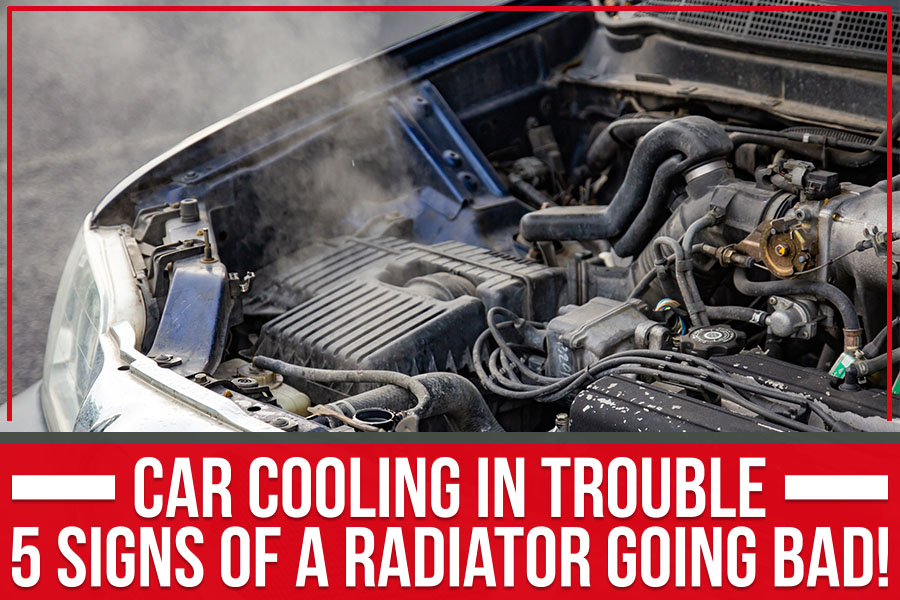
If you’re a car owner, there’s a good chance you’ll at some point have to deal with a radiator issue. Radiators are one of those components that can start acting up without much warning, so it’s pretty important to be able to spot the signs that your radiator is on its way out.
In this blog post, Brownsville Toyota will outline the most common symptoms of a failing radiator so that you can take action before it’s too late! Stay safe out there on the open road!
Car Radiator: The Basics You Should Know
Your car’s radiator is one of the most important components in keeping your engine cool. The radiator houses a series of small tubes that circulate coolant throughout your engine, absorbing heat. When the coolant becomes too hot, it flows back into the radiator, where it is cooled off by air passing through the grille.
Now that you know how your radiator works, let’s take a look at some of the most common symptoms that indicate it might be on its way out:
Common Symptoms of a Failing Radiator
-
Overheating Engine
An overheating car engine is one of the most obvious signs that your radiator isn’t working properly. If you notice your engine’s temperature climbing higher than usual, or if the temperature needle is entering the red zone, pull over and turn off your engine immediately. Continuing to operate an overheating engine can cause serious damage to not only the engine, but it can turn your car into an acme kit of sorts.
-
Coolant Leaks
Another symptom of a failing radiator is coolant leaks. If you notice a greenish-yellow fluid leaking from under your car, it’s likely coolant. A failing water pump can also cause coolant leaks, so it’s important to have your vehicle checked by an adept auto mechanic as soon as possible.
-
Steam from Under the Hood
If steam is coming from under your vehicle’s hood, it’s a sure sign that something is wrong with your radiator. Again, this usually indicates an overheated engine, so pull over and turn off your engine immediately.
-
Sludge in the Radiator
If you notice sludge or debris in your radiator, it indicates that it needs to be flushed and replaced. Over time, radiators can become clogged with dirt, rust, and other debris, leading to overheating and engine damage.
-
White Exhaust
The lines for coolant & engine oil are pretty much side by side in the engine block. When the radiator lines get corroded, there is a high probability of coolant leaking into the oil grooves and contaminating the combustion process. That results in white exhaust. And that is never a good sign for both radiator & the engine.
If you notice any of these signs, it’s important to have your vehicle checked by a mechanic as soon as possible. Ignoring these warning signs could lead to more serious problems down the road, so don’t take any chances.
Here’s How Brownsville Toyota Can Help You
Brownsville Toyota, serving Brownsville, TX, has a great service department that can look at your radiator and ensure it’s in good working condition. Our highly trained technicians will be able to tell you if your car radiator needs to be replaced and can even do the job for you.
If you require a new radiator or any other automotive service, don’t hesitate to schedule a service today. We’ll be happy to help you get back on the road in no time!
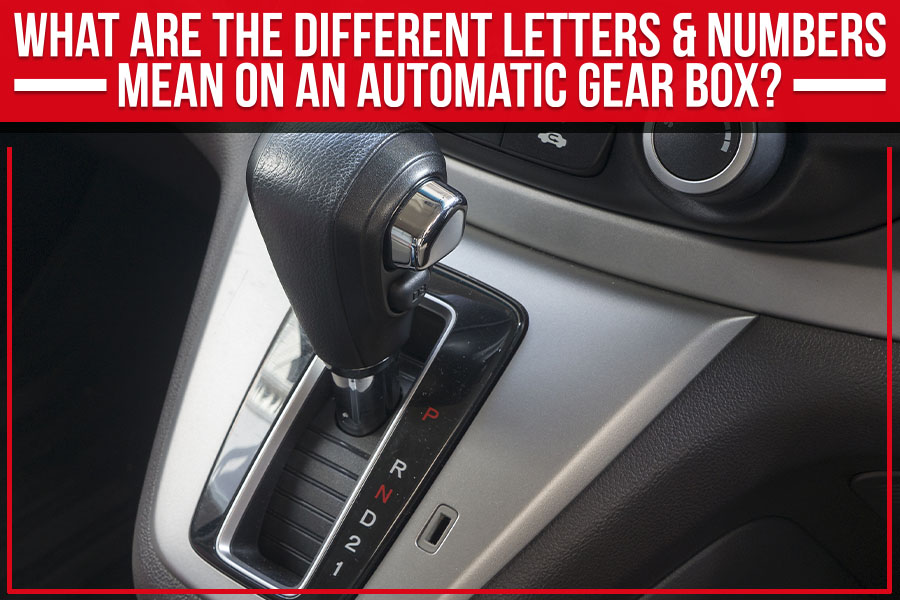
Depending on the type of automatic transmission you get for your first vehicle, you will discover a wonderous world of pre-set speeds & the absence of a clutch, which makes the experience much merrier. But first – let’s get you up to scratch on the letters & numbers on an auto gear shift.
In this blog post by Brownsville Toyota, we’ll look at different letters and numbers on the gearbox. So, if you’re planning to buy an automatic car, you must understand what these gears do before making your purchase.
How Does An Automatic Transmission Work?
An automatic transmission uses a complex system of hydraulic pumps, valves, torque converters, and gears to shift between different gear ratios. The transmission is controlled by a computer, which tells the transmission when to shift based on input from sensors.
The auto transmission will shift to a higher gear as the engine speed increases.
Letters and numbers on the automatic gearbox confuse a lot of new drivers. We’ll try to make it easier for our readers!
P-R-N-D-L (say PRINDLE) – These are the most frequent letters on a vehicle gear shift. P is for Park, R for Reverse, N for Neutral, D for Drive, and L for Low.
-
P – Park
The parking pawl is a mechanism that locks the gearbox so the vehicle can’t move. You should only put your car in ‘Park’ when you need to get out.
-
R – Reverse
This is the reverse gear position of the car. You’d use this one to back up.
-
N – Neutral
This is the gear position where the engine and transmission are not connected. The car will roll freely but won’t move under its power.
-
D – Drive
This is the gear position for forwarding motion. This is the most common position used when driving.
-
L – Low
This position is similar to drive but with a lower gear ratio. This is usually used for towing or driving on slippery or loose surfaces.
-
S – Sports
It is similar to drive but with a higher gear ratio. This setting is used when more power is needed, such as passing another vehicle.
Some Important Tips
Automatic cars are easy to drive, but you should know a few things before getting behind the wheel.
- Always stop your car completely before shifting into reverse.
- Make sure you’re on level ground before shifting into the park.
- Don’t press down on the brake pedal while driving. This can cause the brake pads to wear out prematurely.
- If you’re going down an incline, use the lower gears to control your speed.
- When passing another vehicle, use the passing gear to get up to speed quickly.
Brownsville Toyota is a new & used car dealership in Brownsville that provides a high level of care to drivers in Texas.
We encourage our customers to explore the array of resources we provide, from exploring the new Toyota line-up to learning about your car financing options or acquiring genuine automotive parts.
We want to ensure that drivers in Brownsville have an exceptional experience when they visit us. Please don’t hesitate to reach out if there’s anything we can do for you.
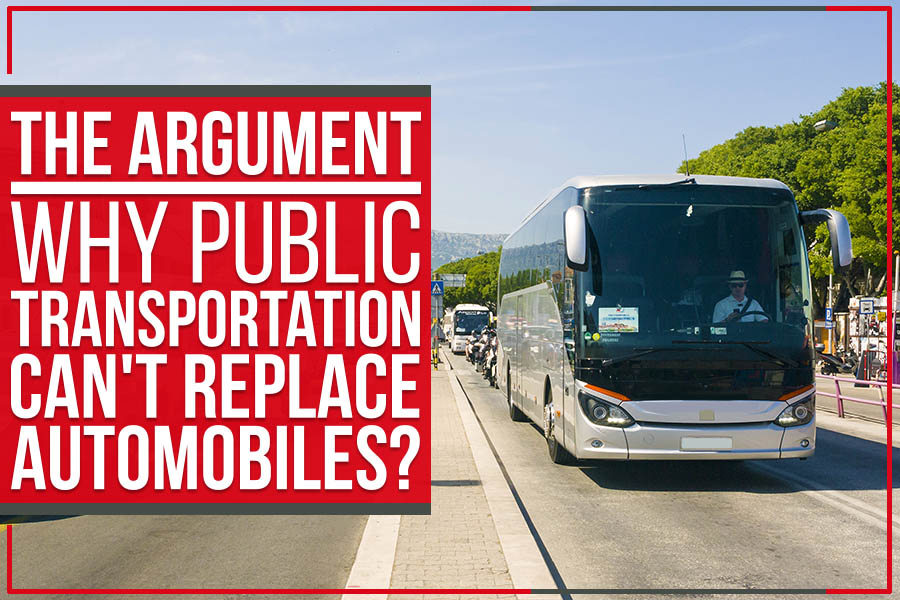
Public transportation has been around for centuries, and it continues to be a popular way to get around. While some believe that the existing transit system can replace automobiles, this isn’t true.
In this blog post, Brownsville Toyota, serving Brownsville, TX, will look at why automobiles trump public transport. And if you’re considering using the bus instead of driving or investing in a new Toyota, we have some strong points to sway your resolve! Read more!
Public Transport vs. Private Cars:
There are many reasons why private cars will always be preferable to public transport. Most importantly, private cars offer flexibility and convenience that public transport can’t match.
You can also change your plans at the last minute if you need to. It simply isn’t possible with public transport.
Here are a few reasons public transport can never replace private cars:
-
The Flexibility of the Schedule:
One of the main reasons public transportation can’t replace cars is the flexibility that cars offer. With a car, you can drive anywhere you want, whenever you want. Schedules or routes do not restrict you.
Public transportation is also less convenient than cars. If you wish to make a quick trip to the store, it’s much easier to hop in your car and go. You don’t have to worry about waiting for a bus or train or dealing with transfers.
-
Cost:
Another reason cars are preferable to public transportation is the cost. While public transport can be cheaper than owning a car, it’s not always the case. In some cities, it can be more expensive to use the bus than to drive.
-
Comfort:
Private cars also offer a much higher level of comfort than public transport. You’re not crammed into a small space with strangers, and you don’t have to worry about being uncomfortable or cramped. Also, you can control the temperature, listen to your music, and sit in a comfortable seat.
-
Good for Introverts:
Public transportation can be overwhelming for introverts. You’re constantly around people and may not have much personal space. A car is the better option if you prefer to be alone. They will not have to deal with the stress of being around many people.
-
Reliability:
Public transportation can be unreliable. Buses and trains can be delayed, and you may not always be able to get where you need to go. With a car, you have more control over your schedule and are less likely to be delayed.
-
Privacy:
Public transportation is not very private. You’re often in close quarters with other people, and you may not feel comfortable talking or doing anything that could be considered private. You can have more privacy in a car and do what you want without worrying about other people.
Bottom Line:
There is no doubt that public transportation can help reduce traffic congestion and pollution, for example. However, it’s important to remember that cars have advantages over public transportation.
For one, they are more flexible – you can go wherever and whenever you want. Cars also offer a sense of privacy and security that buses and trains do not. Finally, cars are becoming increasingly fuel-efficient and environmentally friendly thanks to technological advances.
If you’re seeking a new or used car in Brownsville, TX, check out our inventory at Brownsville Toyota today! Also, check our new Toyota Specials for the ride of your dreams. Happy driving!
Connect with us


- October 2025
- May 2025
- December 2023
- November 2023
- October 2023
- September 2023
- August 2023
- July 2023
- June 2023
- May 2023
- April 2023
- March 2023
- February 2023
- January 2023
- December 2022
- November 2022
- October 2022
- August 2022
- July 2022
- June 2022
- May 2022
- April 2022
- March 2022
- February 2022
- January 2022
- December 2021